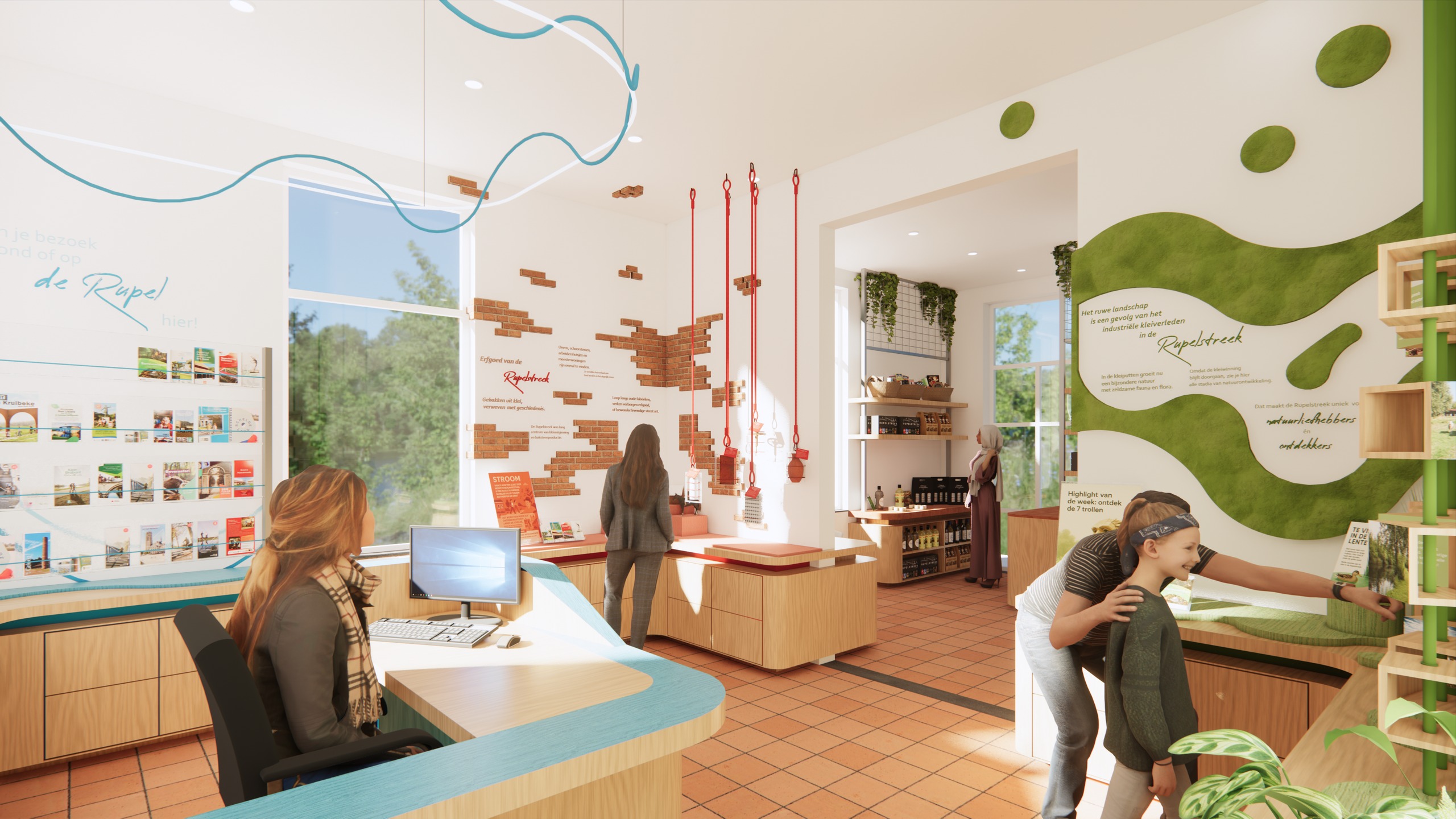
Reimagining the ideal visitor experience
Tourism Rupelstreek is relocating its main visitor office from Boom to Noeveren 199, a historically significant 19th-century manor house set within a protected village landscape.
The goal was to envision a tourism information centre 2.0, one that reflects the character and heritage of Noeveren, while meeting the evolving needs of today's travellers. The focus was on designing a meaningful in-centre experience that connects visitors to the wider region.
- Led the strategic framing of the visitor experience, aligning it with key visitor mindsets and service goals.
- Took ownership of the itinerary planning experience while contributing to criteria setting across other interventions to ensure strategic alignment.
- Mapped out key service delivery processes for each intervention, including risk considerations and mitigation measures.
Completed as part of my postgraduate practicum, this project was developed in collaboration with Yuna Dhadamus (interior designer), Zahra Kamooneh (architect) and Annelien Verbiest (systems designer).
What do travellers really need when exploring a new region, and where might the current tourism office fall short?
Initial research took place in October 2024 (carried out by a different team setup than in the later design phase). We explored the tourism system through the eyes of visitors, residents, staff, and partners, examining how core services are experienced and managed (e.g. provide information, assist bookings), how people emotionally connect with Rupelstreek as a destination, and how the future centre might impact the local neighbourhood.
To craft a new narrative for the centre's visitor experience, we honed in on two particular aspects:
- What strategic goals and operational realities shape what the future centre can feasibly deliver?
- What do visitors (especially domestic tourists) need, expect, and respond to most when discovering a new destination?
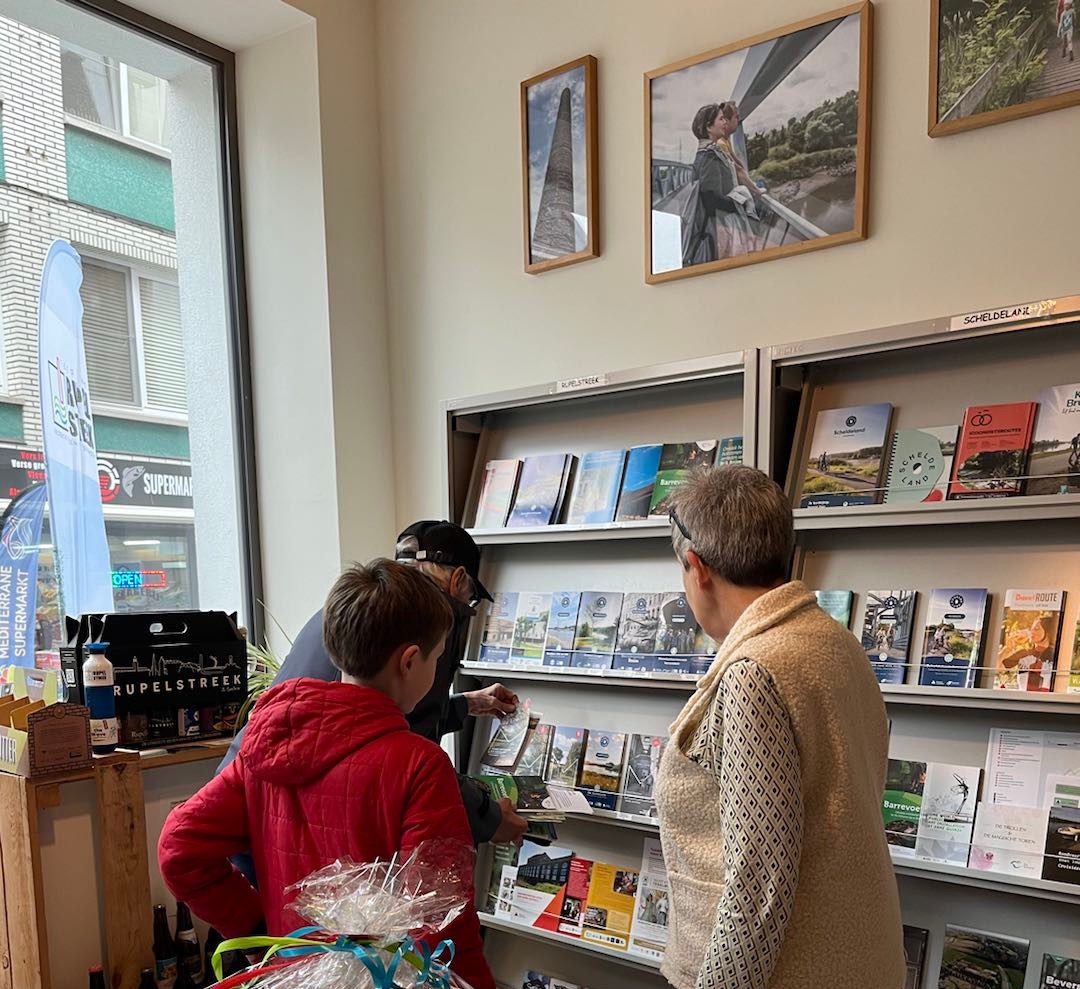
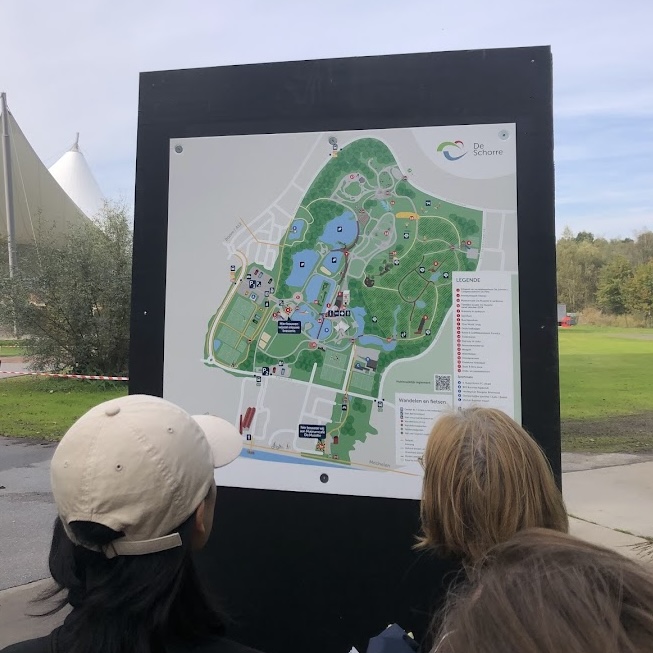
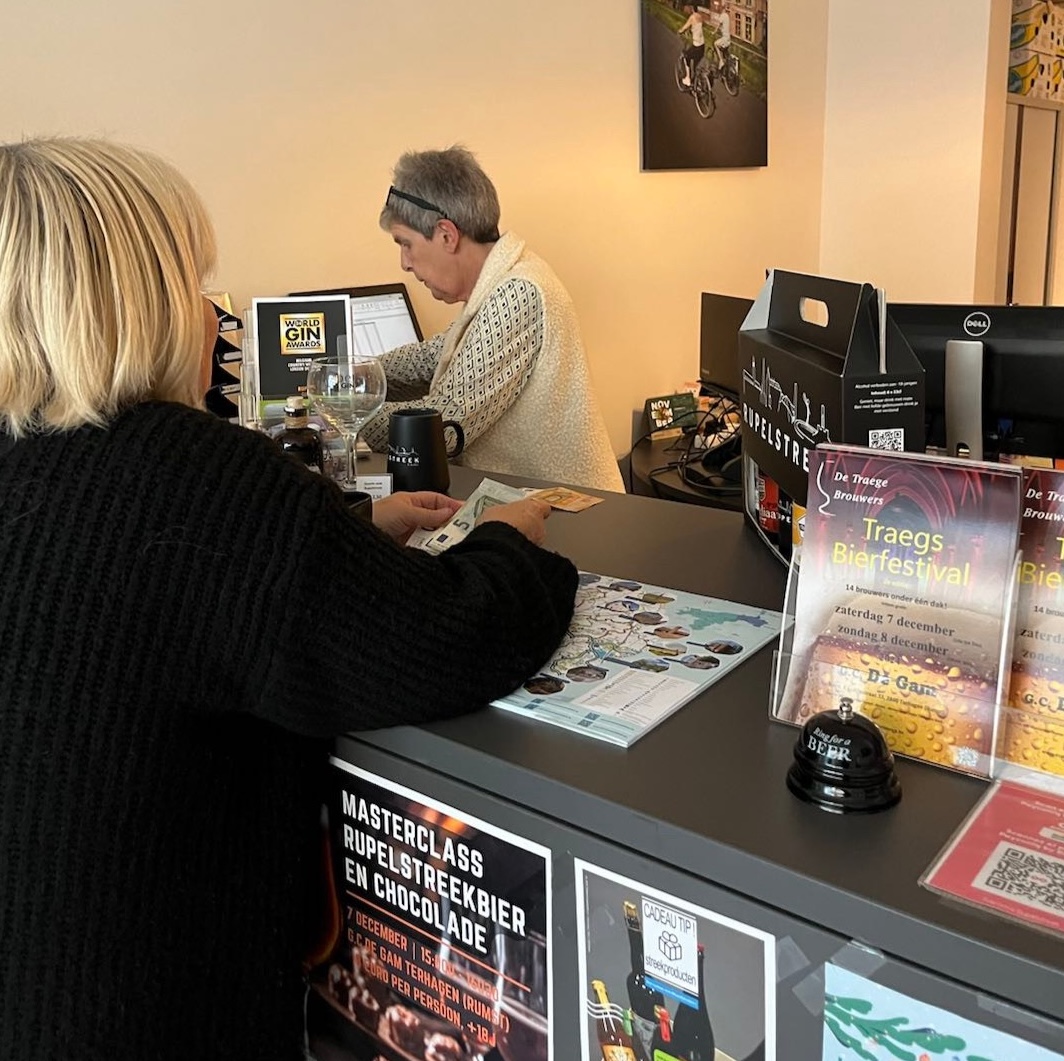
Unlocking the centre's role as a connector, not just an 'information point'
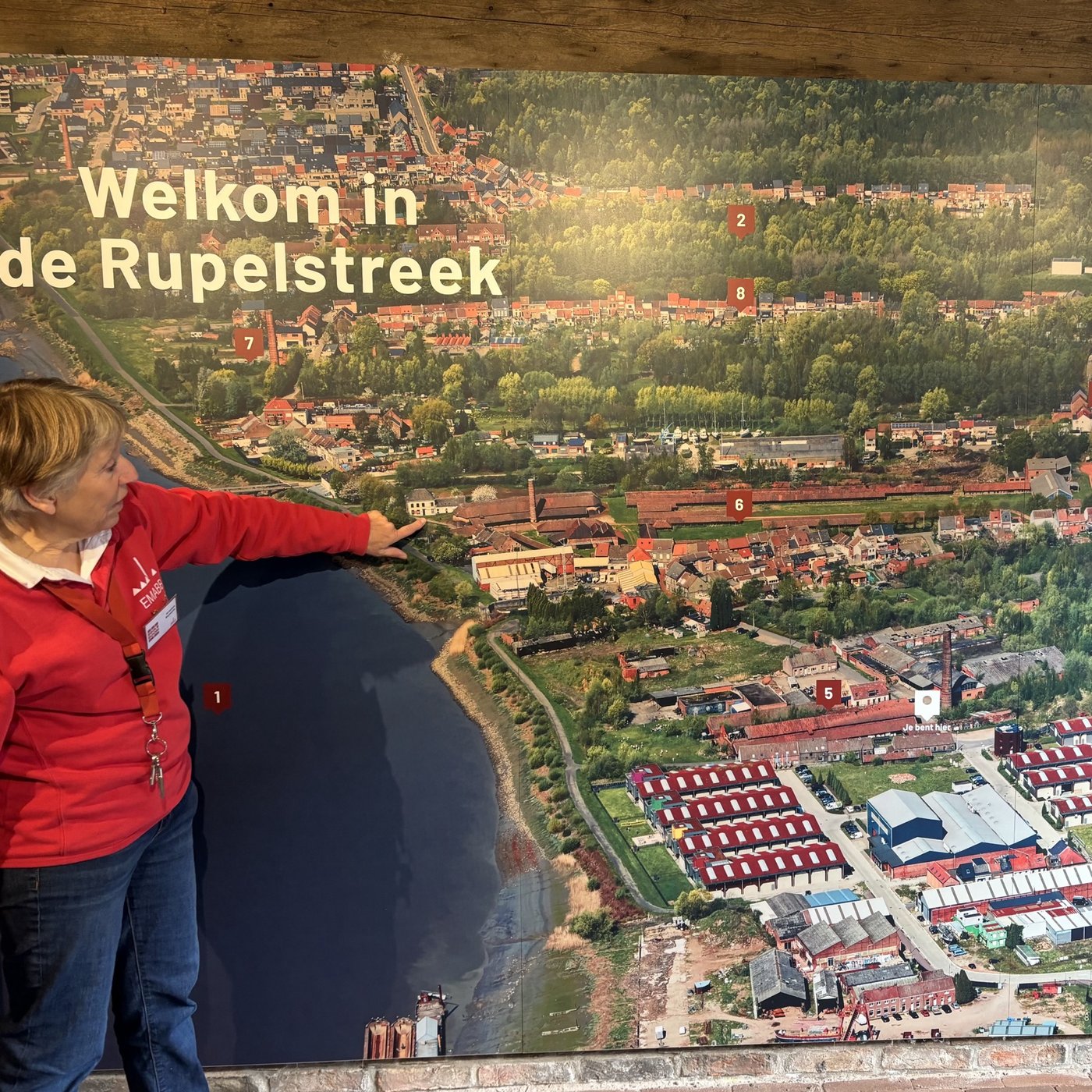
Three key research themes stood out when describing the challenges visitors currently face when exploring the Rupel region:
-
What's here? Should I care?
Despite its charm, rich industrial heritage, and proximity to major cities, the region is still relatively overlooked and unknown among domestic tourists. -
What's worth seeing or doing here?
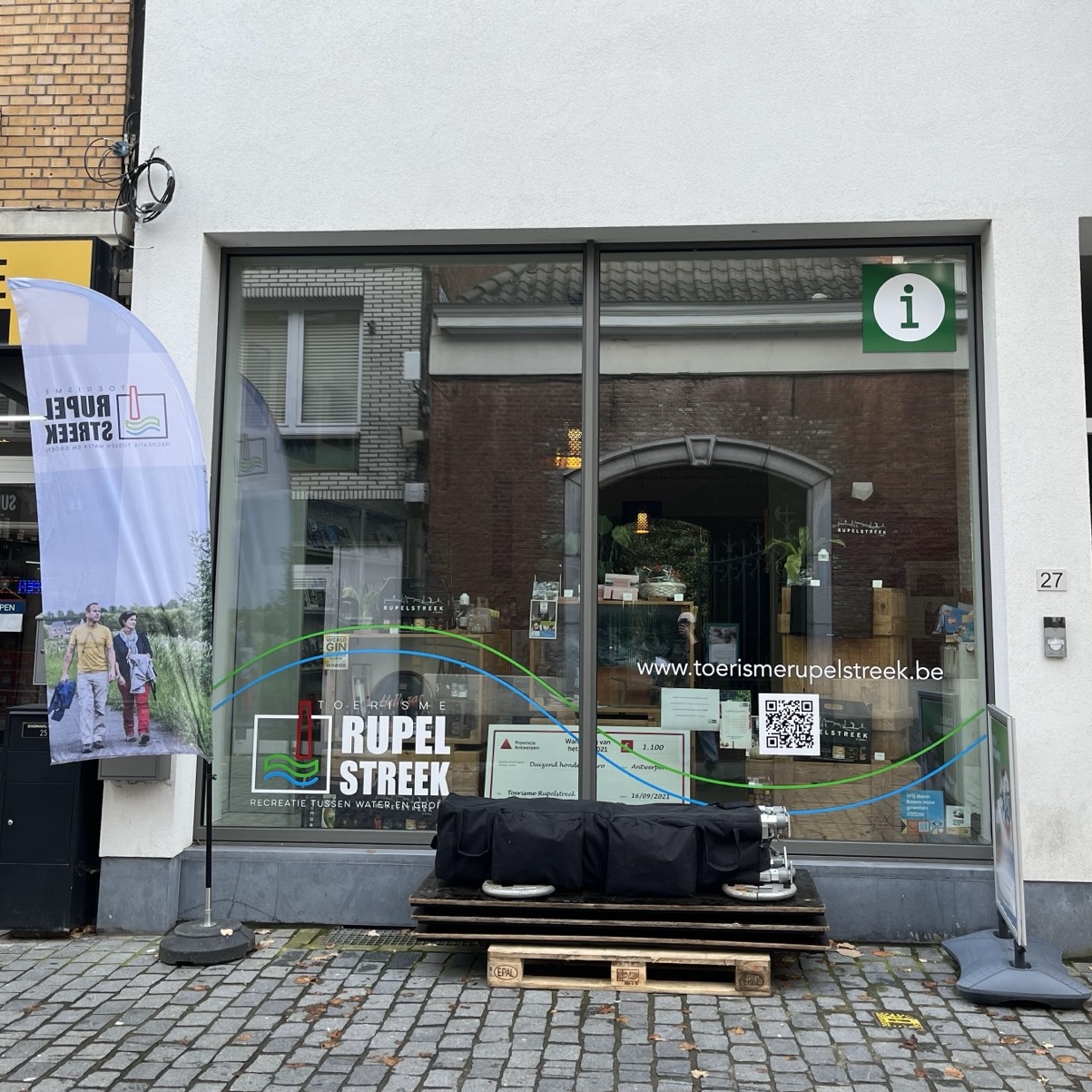
Visitors struggle to make sense of what's on offer. Information is often scattered, generic, or overwhelming, both online and offline. The physical office relies heavily on brochures, which can feel cluttered and hard to navigate in what is also a small and inaccessible space. While helpful guidance is available, many remain unaware of the office's existence. -
What's the charm that ties it all together?
Tourism in the Rupel region is fragmented across its 5 municipalities, with stories, services, and offerings presented in isolation. Without a cohesive narrative, visitors struggle to grasp the region's distinct identity.
How might we create an authentic, memorable and inclusive visitor experience that…
- ignites interest and enables meaningful discovery of regional tourism activities?
- empowers visitors to step out & experience what the region has to offer on their own terms?
- strengthens the region's presence through a brand that's felt, remembered, and desired?
Providing information, inspiration and encounters that stick
These challenges were translated into a broader vision for the centre, one that inspires discovery and fosters deeper connections with the region in ways that resonate with diverse visitor needs and expectations.
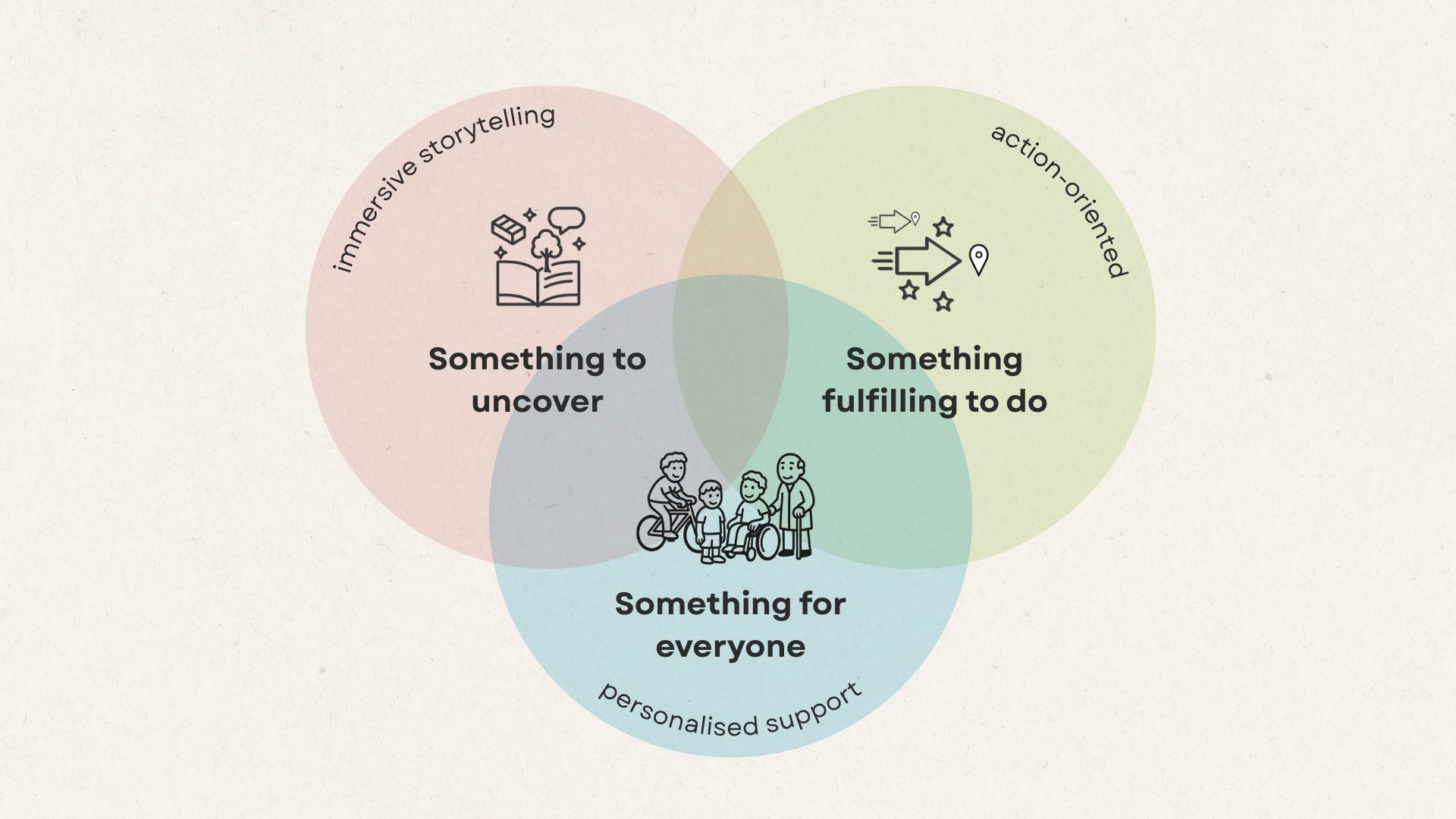
What do visitors need at each moment of their visit? What sparks excitement, and what causes hesitation?
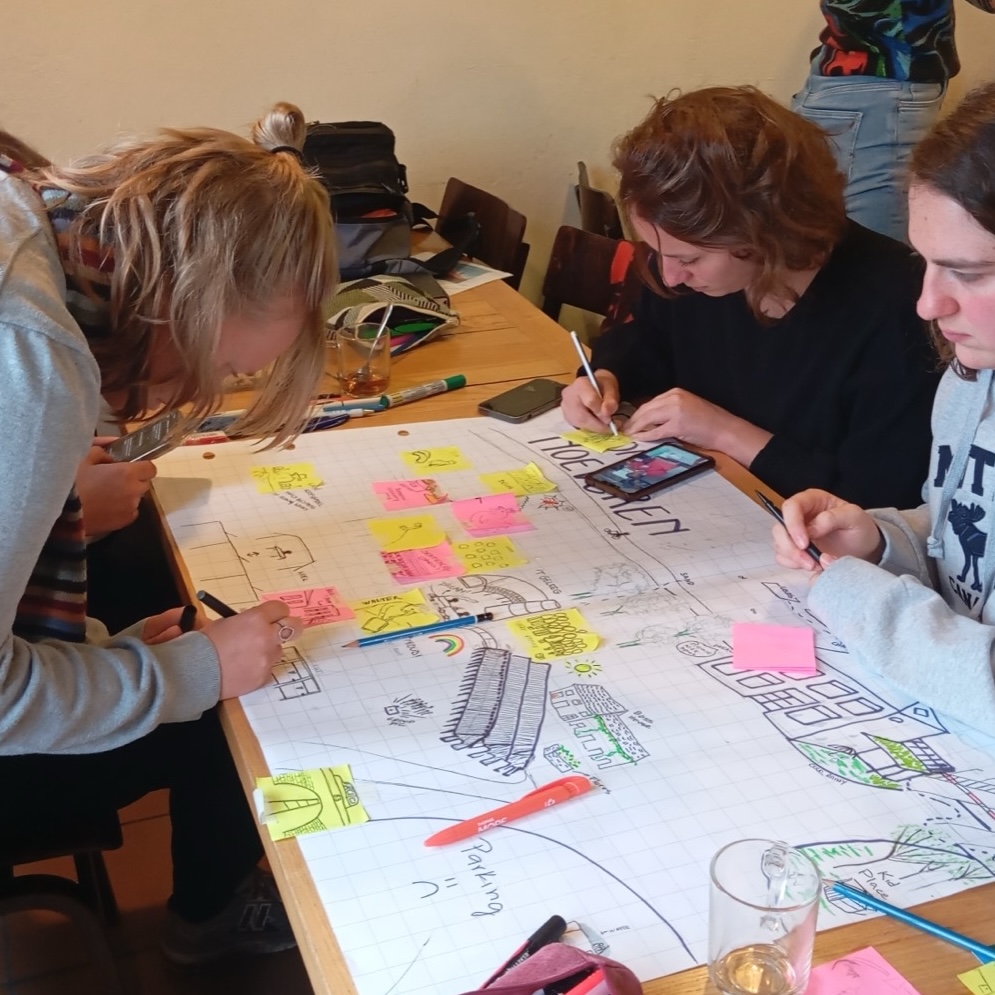
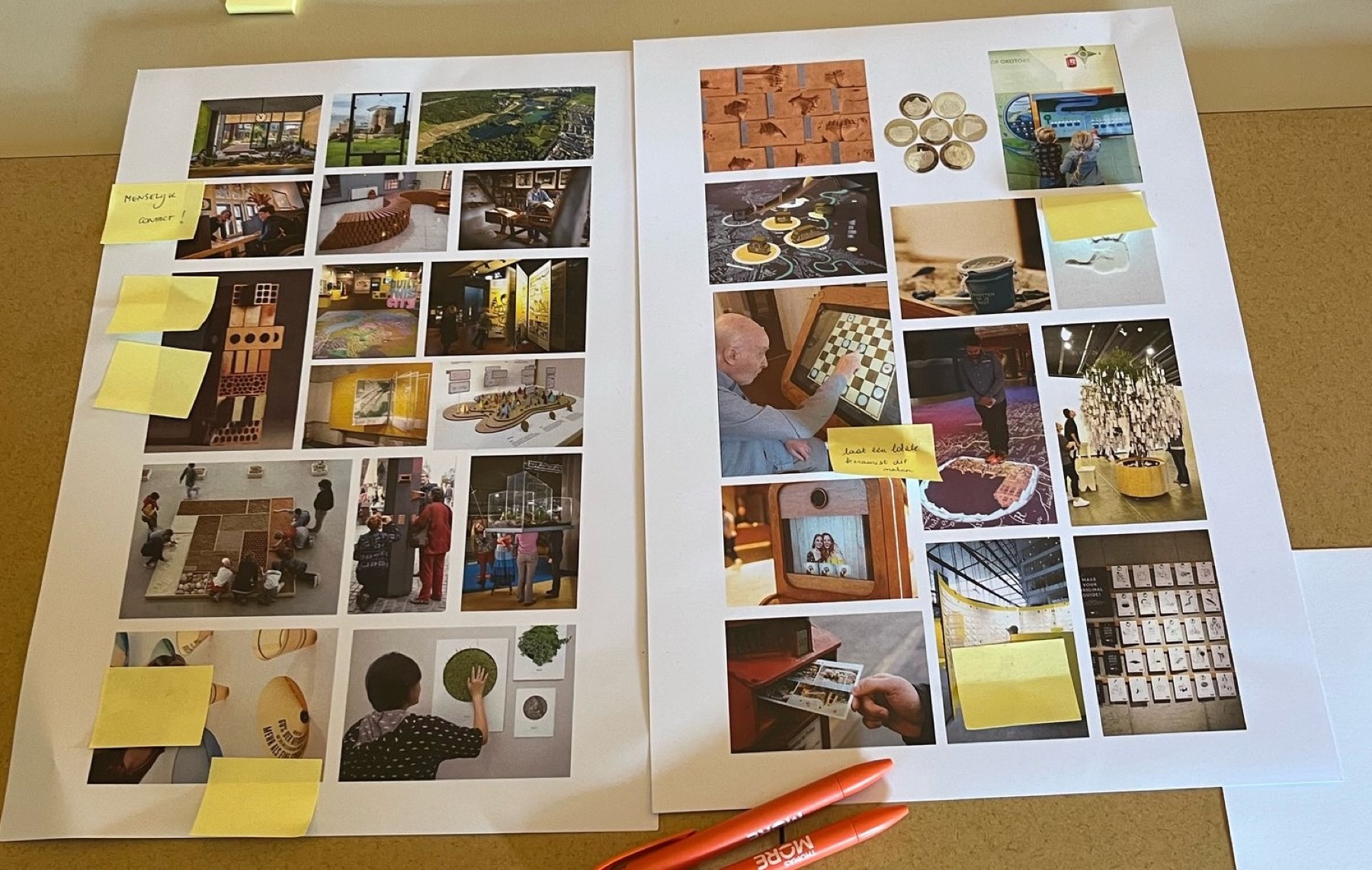
To translate this vision into reality, we studied other tourism centres to understand how core services, information and experiences are delivered, from table-stakes to more experiential and niche elements. This clarified what the new centre could potentially offer, shaping our co-creation session with potential visitors and regional stakeholders.
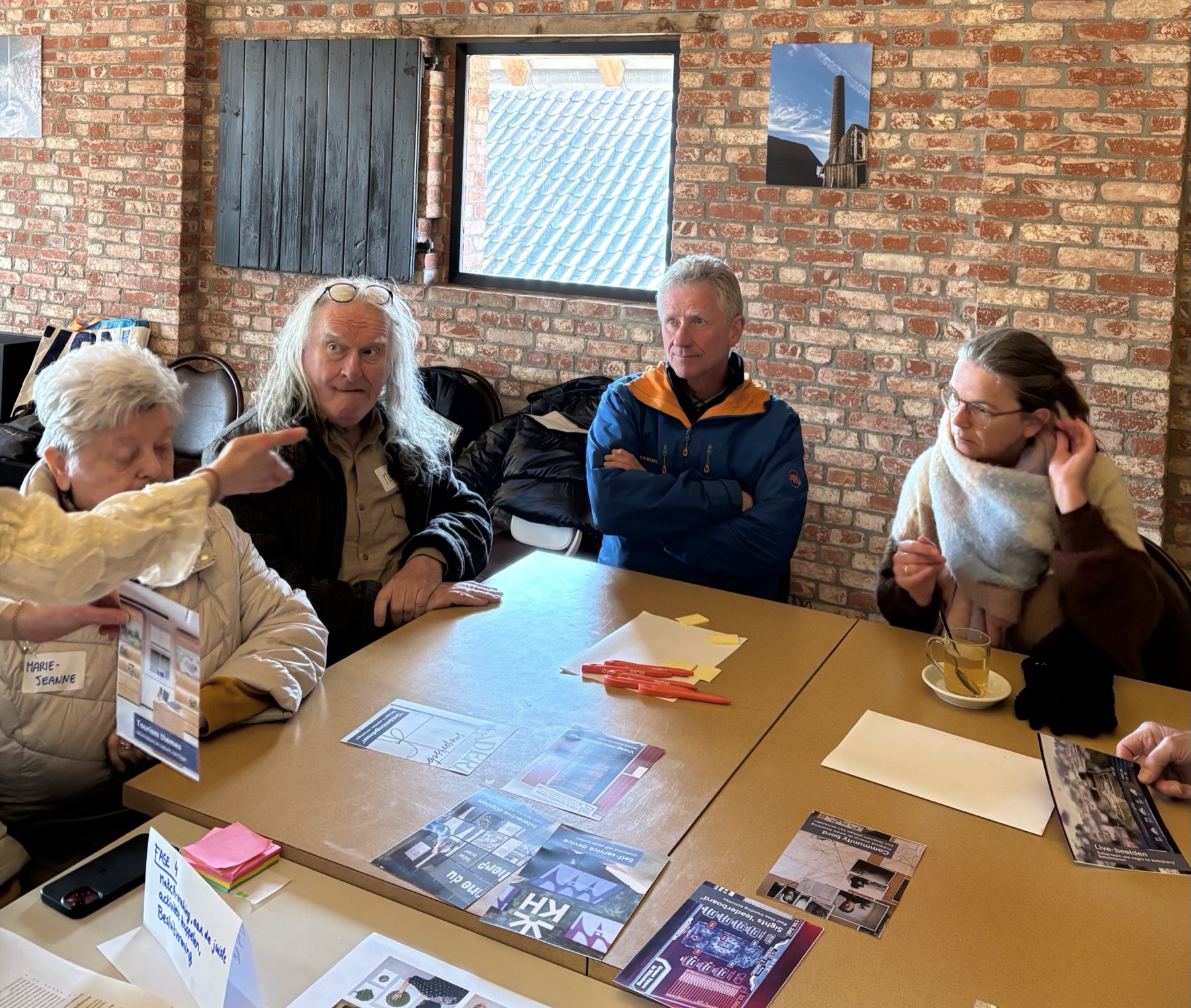
The session focused on surfacing fresh perspectives on what makes an ideal visit, from arrival to departure, and co-imagining meaningful interventions to support that journey.
Staying true to its core role: orienting and helping visitors navigate the region
One interesting insight was that many visitors desired to connect with locals to better understand the region's culture, but struggled to picture this happening organically in a tourism office, often seen as a place to "get info and leave." This led us to rethink earlier ideas for on-site engagement such as long-form workshops.
While there was interest in more enriching experiences, the centre needed to strike a balance between supporting meaningful interactions and fulfilling its core role as a starting point for regional discovery, without becoming the destination itself.
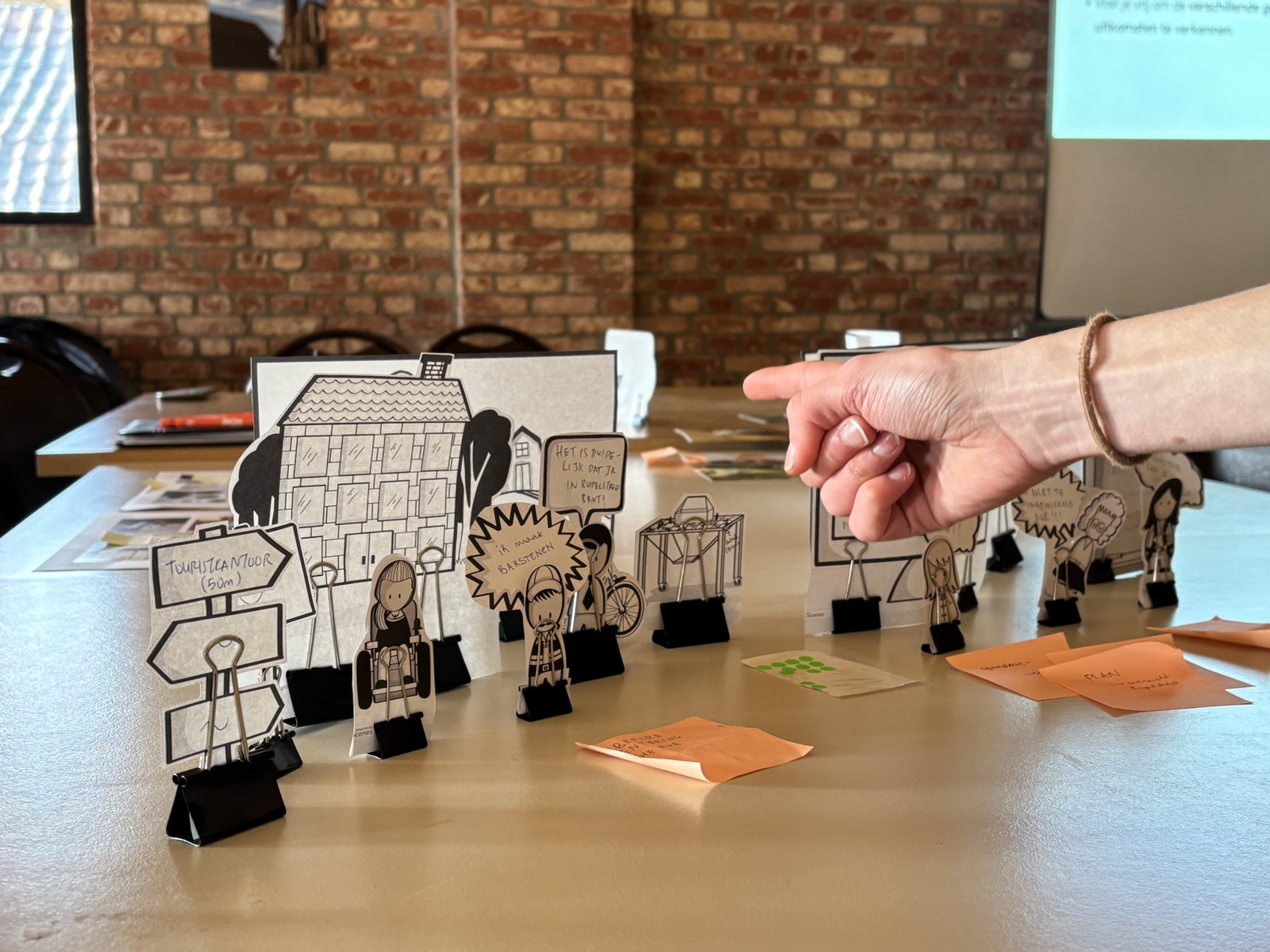
We went through several rounds of iteration, using storyboards to present our shortlisted ideas to the client, clearly articulating the rationale behind each element and the co-creation insight that informed it.
A distinctive visitor experience that connects each traveller with regional activities that suit them best
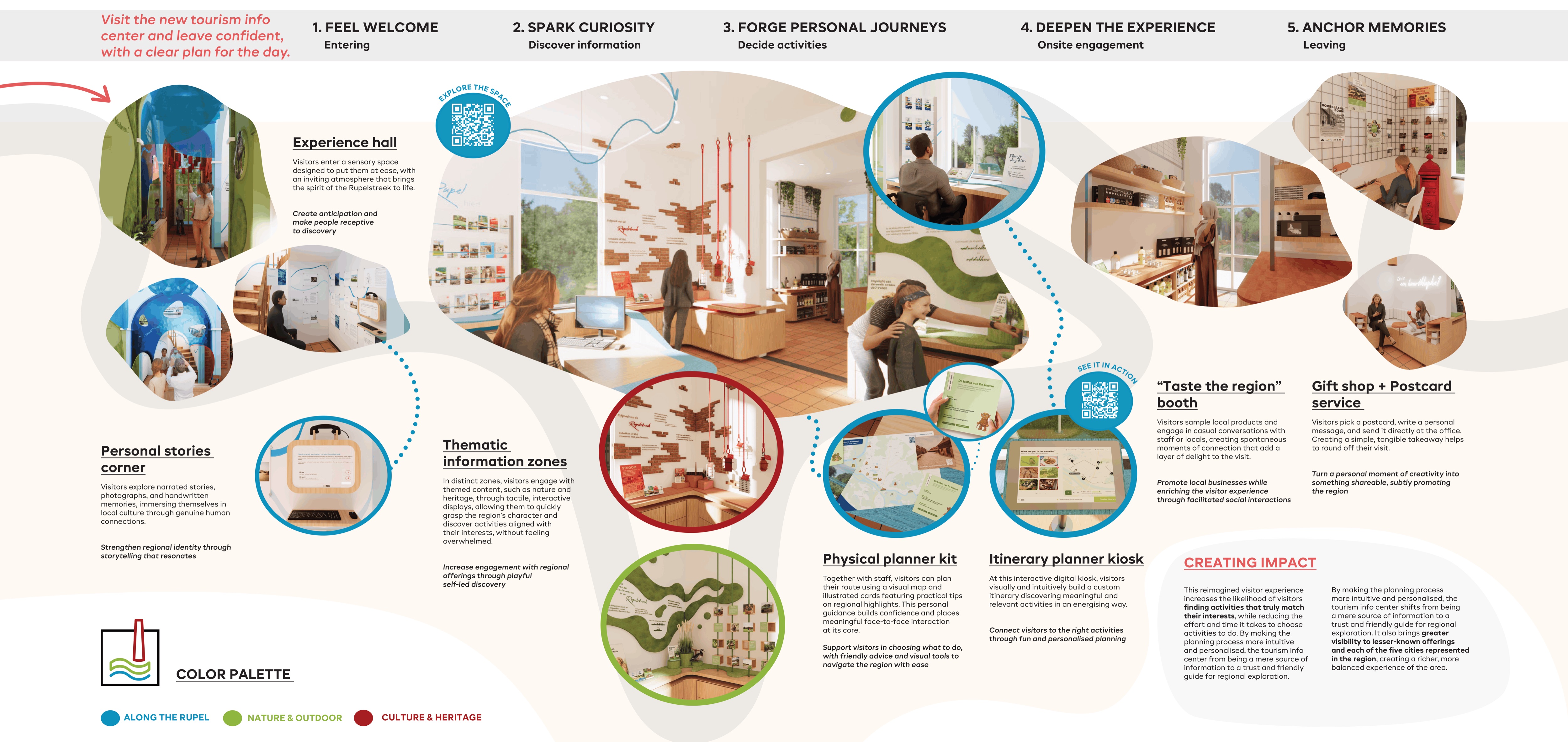
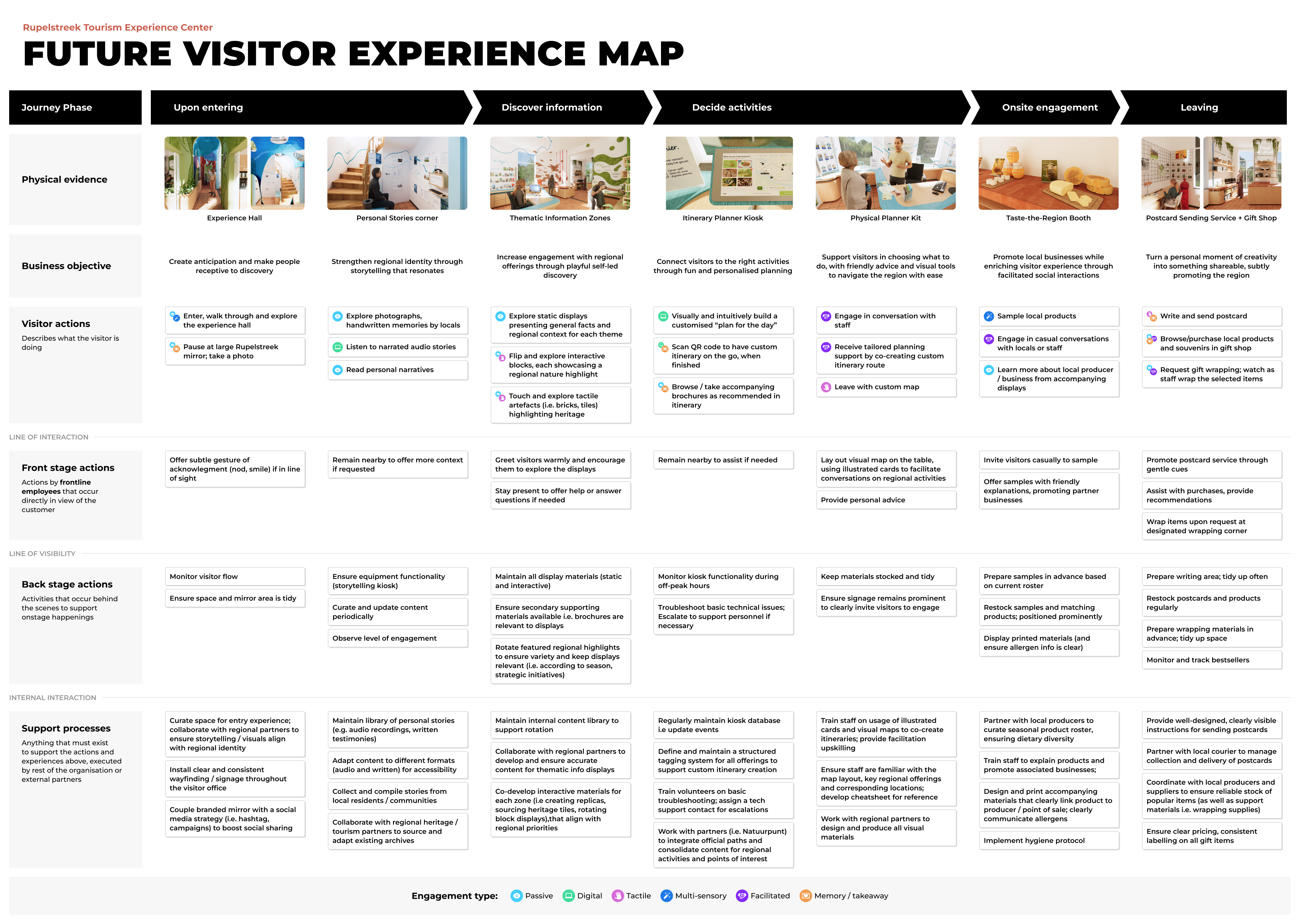
We defined five key experience stages across the visitor journey, each anchored by a specific goal. Together, they aim to spark curiosity, help visitors shape plans that reflect their personal interests, and present a cohesive narrative of the Rupel region, unifying its diverse stories and offerings into a compelling whole.
Easing the shift to digital while preserving the human touch
This reimagined visitor experience helps travellers match their interests to regional activities through intuitive, accessible planning tools. In response to the growing preference for individual curation, a lightweight self-service kiosk allows visitors to visually select interests through a curated image gallery, generating a suggested route that reflects their choices, making it easier and more enjoyable to decide what to do.
We proposed enriching itineraries with relevant events and smaller-scale points of interest, such as food stops, to better reflect the reality of a day out while promoting local businesses. Once created, plans can be accessed on the go via a QR code.
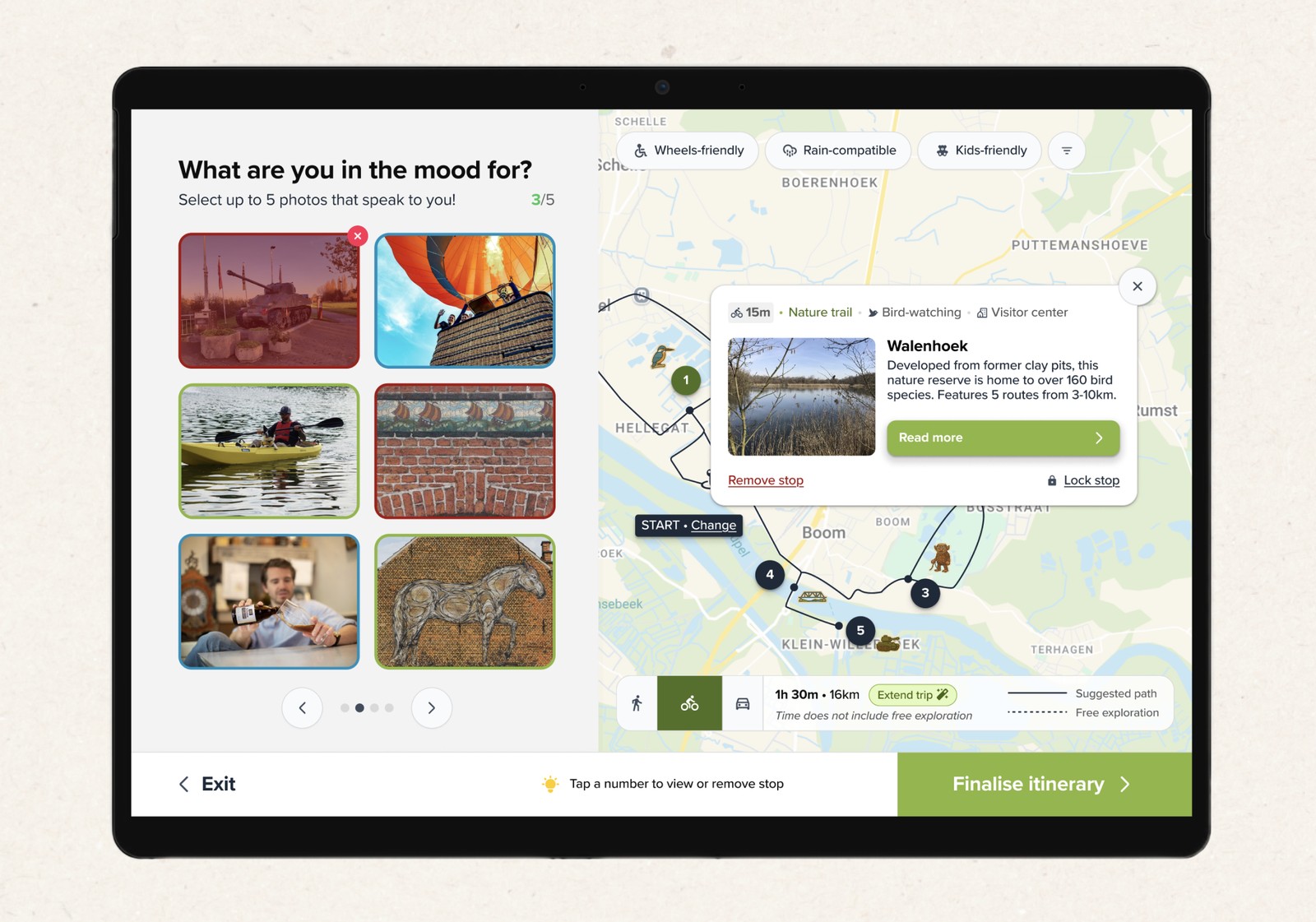
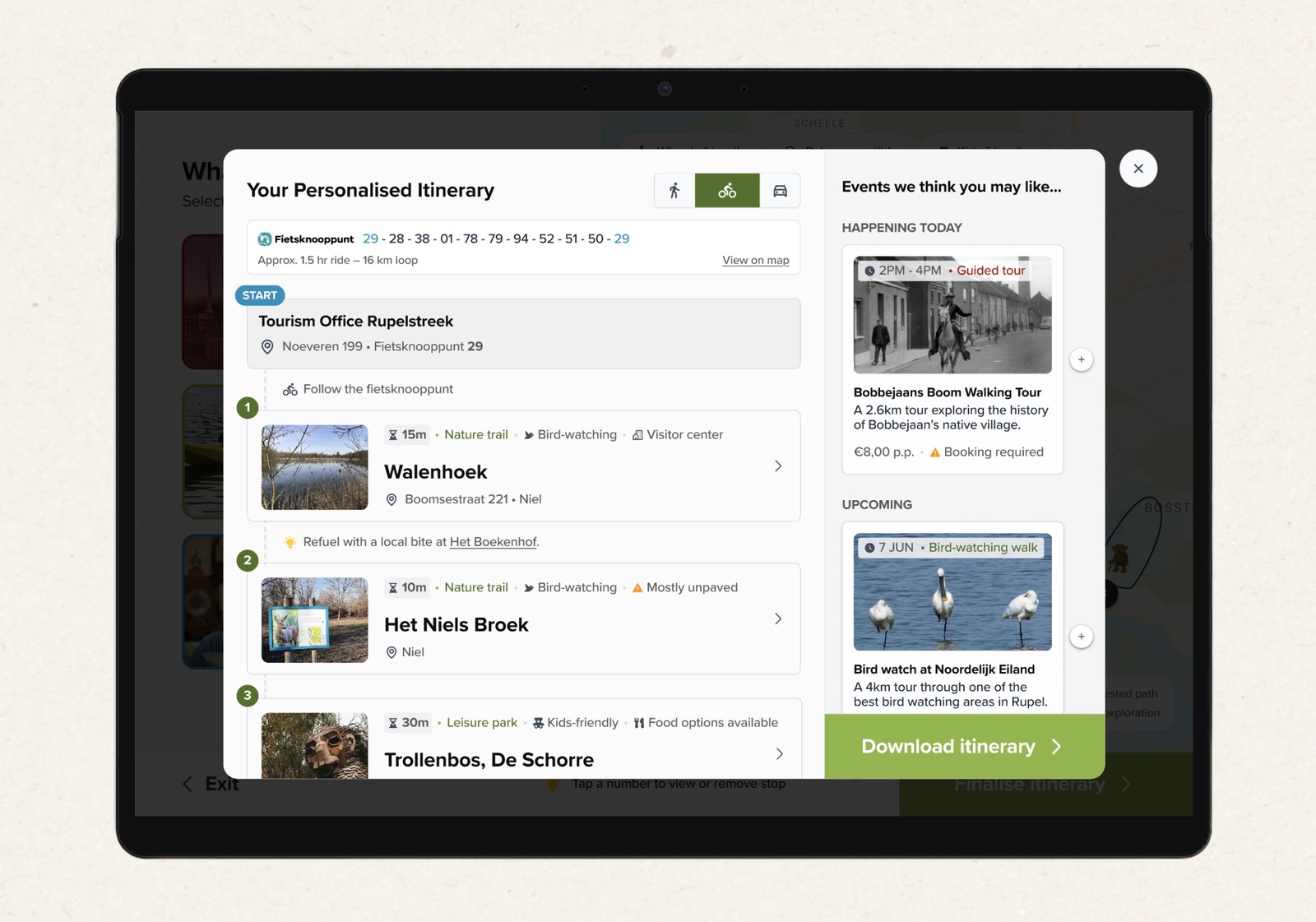
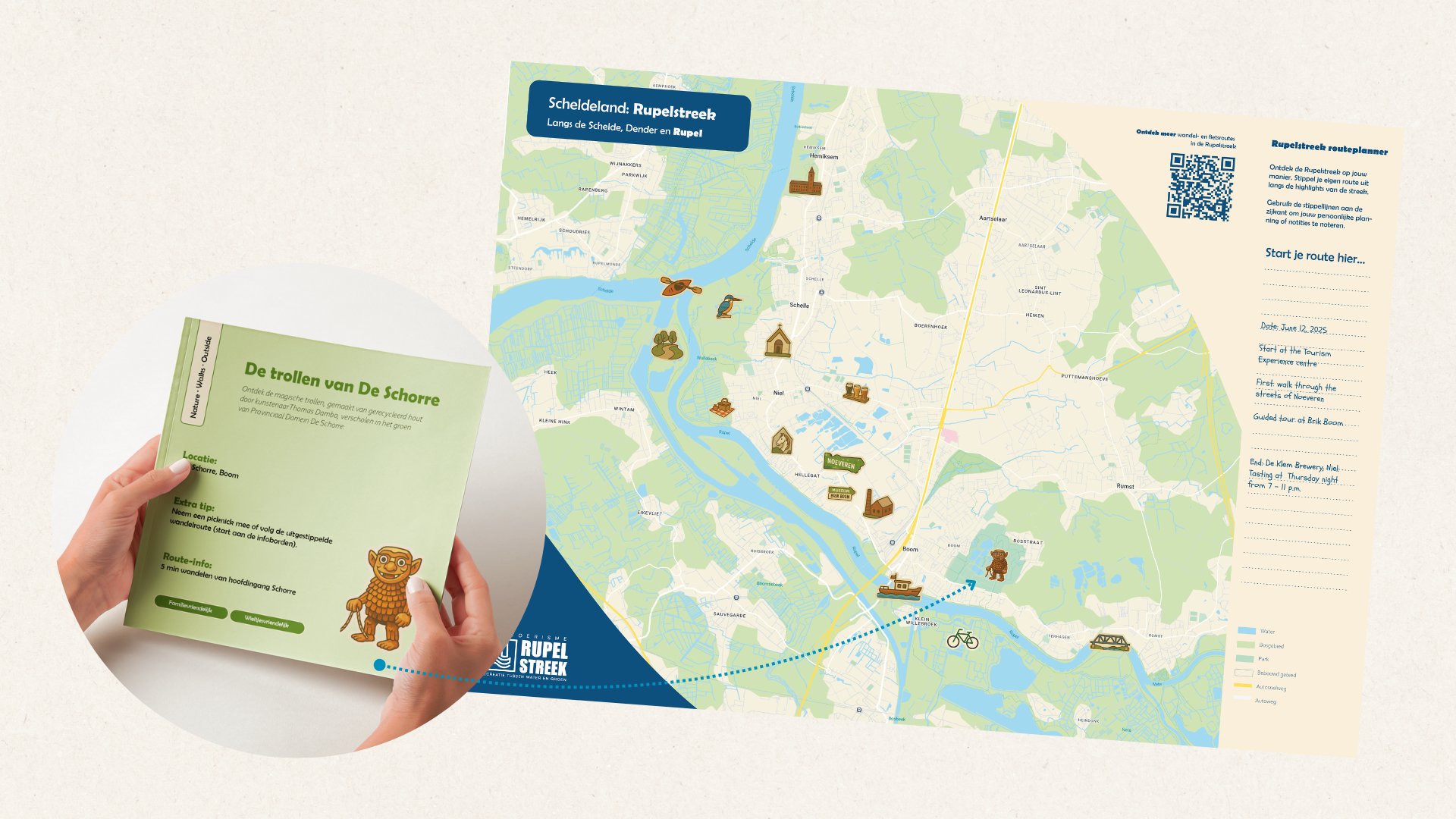
In parallel, we designed a complementary physical planner kit to support in-person visit planning. Illustrated attraction cards with key facts and practical details help staff guide conversations, an approach especially valued by older tourists, who saw personalised tips as more trustworthy and exclusive.
Evolving the visitor experience without disrupting what works
We focused on integrating brochures meaningfully rather than eliminating them. At the digital kiosk, brochures are suggested based on the visitor's final route, linking analogue content to their personalised plan. In the physical space, brochures are displayed contextually within the thematic information zones and rotated as needed.
At the heart of these zones are playful, interactive displays that help visitors quickly grasp what the region offers. Designed to spotlight lesser-known attractions and ensure balanced visibility across all five municipalities, the zones use modular elements that can be easily refreshed. Visitors also appreciated tactile interactions that felt familiar and unpretentious, reinforcing the decision to favour low-tech formats that spark curiosity without overwhelming.
Designed around the centre's lean staffing model, the self-guided discovery makes it manageable for volunteers, who often did their shift alone. This includes a strategically placed front desk that allows oversight of key areas, including the gift shop and main entrances.
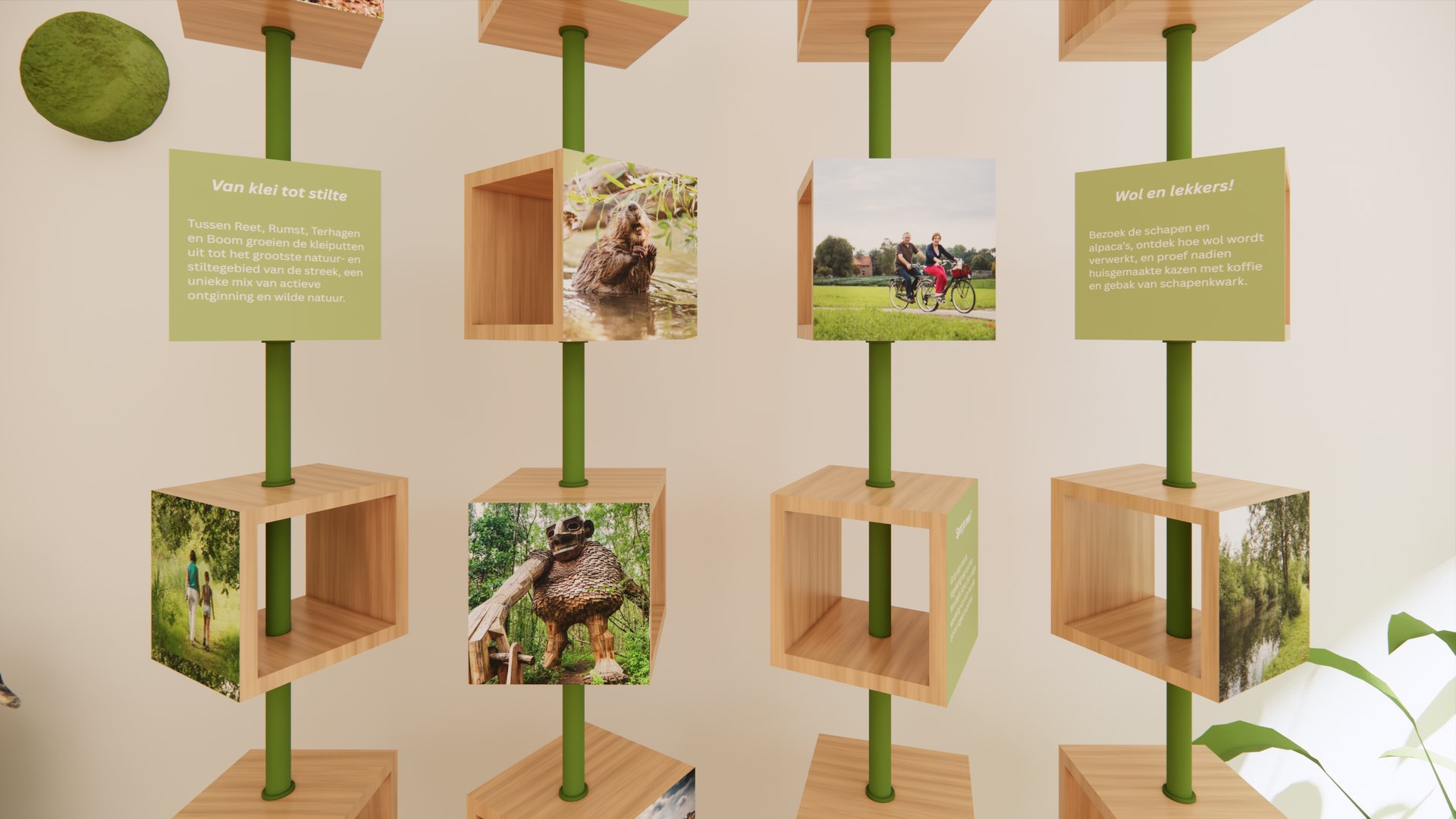
Together with other service elements, the future centre is designed to boost engagement through curated content, signature matchmaking activities, and sensory-led interactions, pushing the boundaries of a traditional information point. It seeks to attract a broader demographic while algining with the day-to-day realities of volunteer-led operations. To support future implementation, we delivered a practical playbook outlining recommendations, blueprints, and specifications, designed to help Tourism Rupelstrek stay relevant in a fast-evolving landscape.
Sometimes, boring works too
While many exciting ideas had to be set aside for feasibility, each intervention that remained was deliberately chosen to fulfil the core goal: helping visitors find the right activities to meaningfully explore the region, and in doing so, establish Rupelstreek as a destination worth seeking out.
After all, the centre is only one chapter in the wider visitor journey. While our scope focused on the in-centre experience, we worked closely with other teams, from those orchestrating arrivals to those crafting initiatives with local residents, to ensure our interventions were cohesive. A delicate challenge was enabling authentic visitor-local interactions without making them feel performative, requiring careful coordination to uphold care and dignity for the community.