Facilitating the transition for hospitality businesses
This project was conducted in collaboration with rePACE, a city-led initiative bringing together Thomas More, futuREproof, Red-use, Veolia, Stad Mechelen and UGent to scale up reusable packaging systems.
The goal was to design a service system that City of Mechelen can offer to encourage local hospitality businesses to adopt reusable packaging. The project aimed to identify and address systemic barriers that have hindered the scaling of the existing reusable packaging system and ultimately provide the city with actionable recommendations to strengthen its effectiveness and expand its reach.
- Scoped research focused on hospitality players and conducted interviews with existing research partners to collate prior knowledge.
- Facilitated research synthesis, taking the lead on persona development and mapping the as-is service journey to structure findings.
- Mapped the future service blueprint focused on initial adoption and onboarding, and developed the reward system.
Understanding the current reusable packaging landscape in Europe
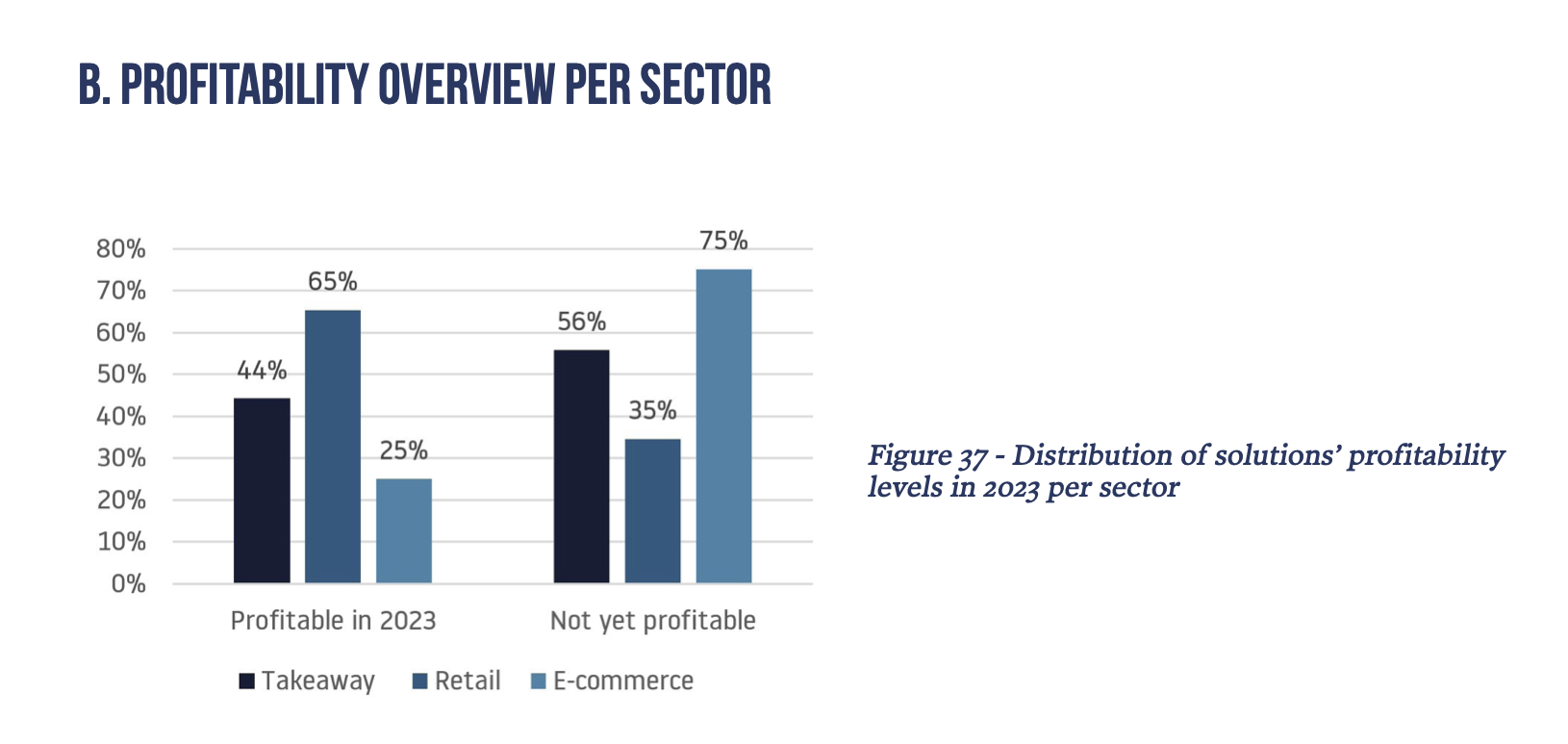
Despite Belgium's high recycling rates, single-use packaging for takeaway meals remains a significant contributor to plastic pollution. Sources such as the European Reuse Barometer emphasised that while the reuse industry is rapidly growing and shows promise of engaged consumers, legislative support and financial investment is needed to help solution providers overcome operational challenges such as competitive pricing with single-use packaging, in order to ensure financial viability.
Shedding light on underlying psychological barriers
We structured research in two folds: one focused on analysing city capabilities, and the other on identifying key physical and psychological barriers faced by hospitality businesses, to understand what the city can effectively bring to the table in facilitating adoption.
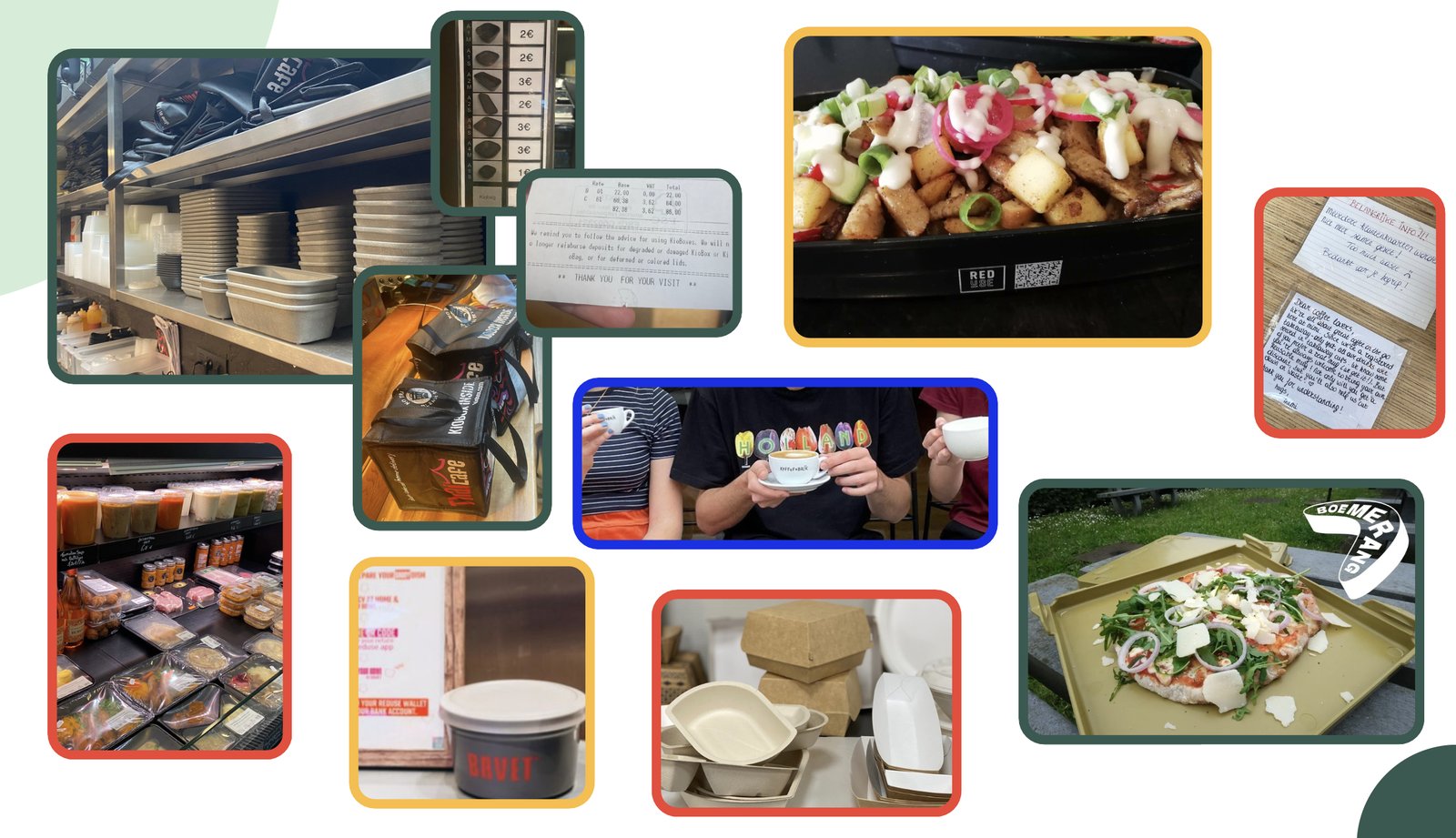
To begin, we interviewed key stakeholders, including representatives from the city's climate department and existing research partners, to identify knowledge gaps. This set the foundations for structuring targeted questions for guerrilla research, where we visited 10 local businesses, including those already using reusable packaging solutions as well as those still reliant on single-use packaging, to better understand their respective attitudes and challenges.
Taking an incremental approach
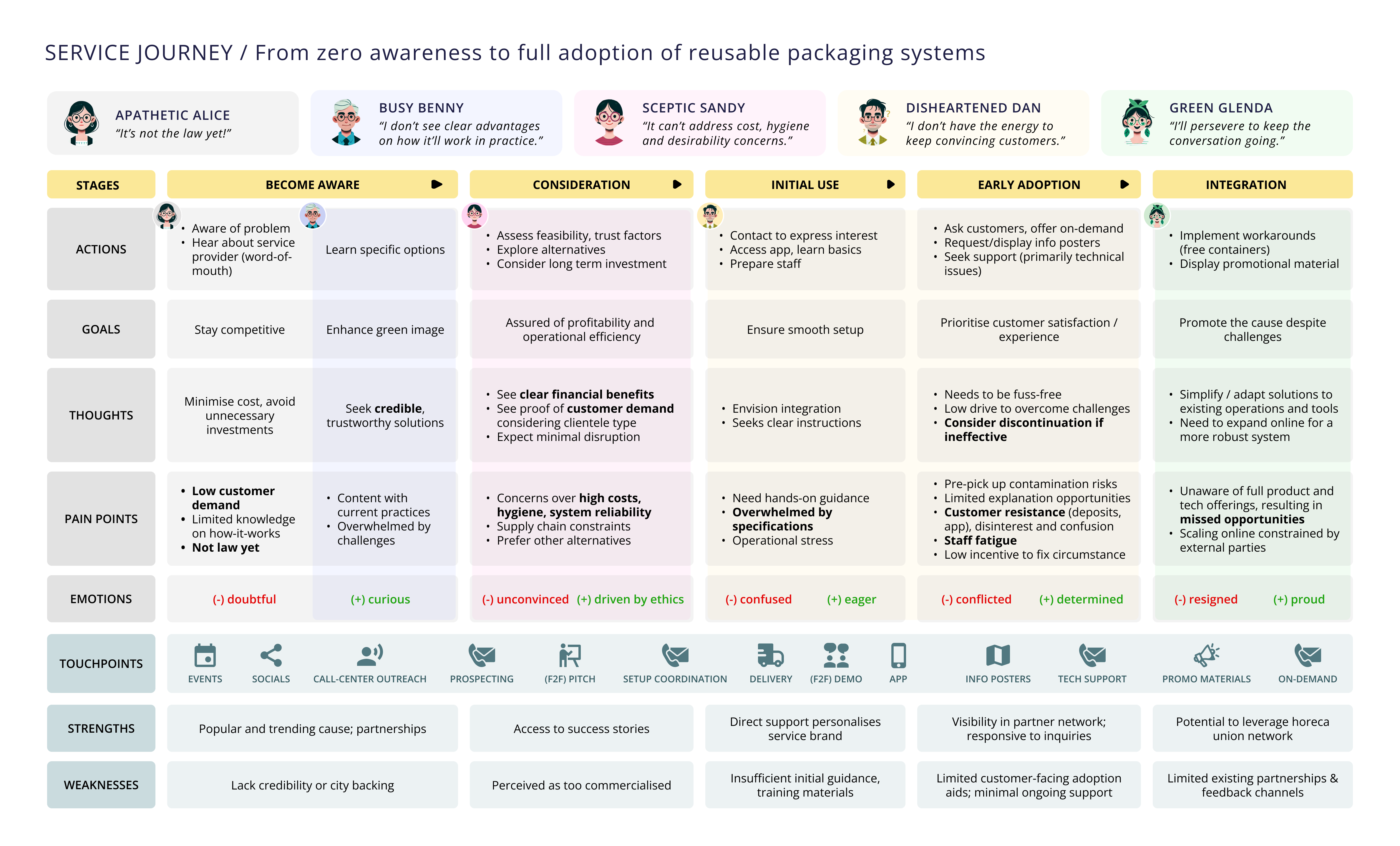
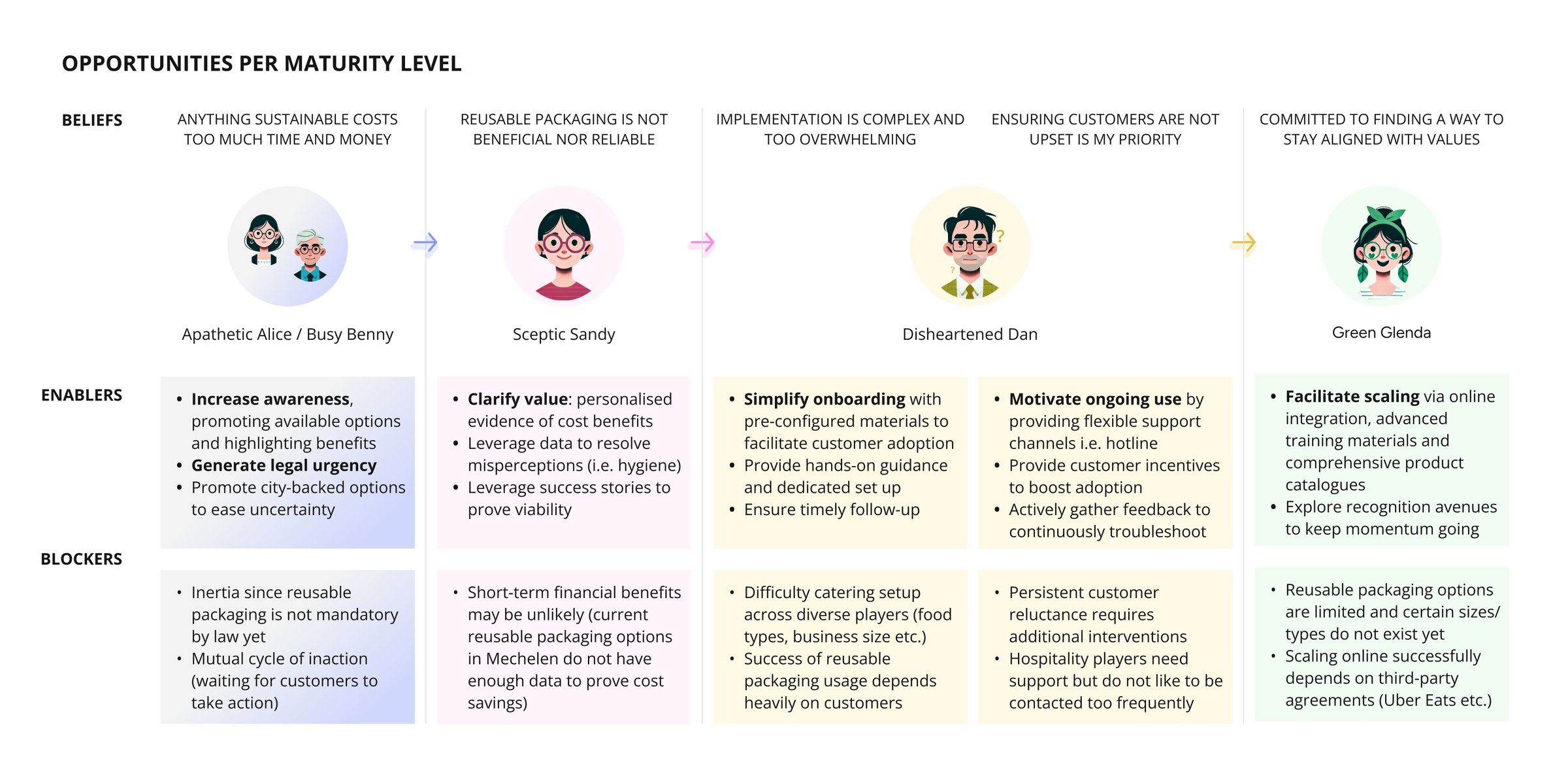
Structuring and synthesising our findings into a service journey helped us identify key pain-points at different stages as hospitality players progress across levels of maturity, from zero awareness to full integration in reusable packaging adoption.
Behaviours were complex and multifaceted. Persistent misconceptions about hygiene and cost, a lack of trust in existing reusable packaging solutions, and perceived (and actual) customer resistance, threatening customer relationships, all played a significant role in hospitality players resisting change.
Dynamic personas to capture evolving needs
Dynamic personas helped us to better capture such evolving needs and challenges, emphasising the dynamics of their transition so that we could identify key enablers at each stage, along with potential blockers that may prevent businesses from progressing to the next level of maturity.
Doubling down on the "unaware" & the "willing but hesitant"
Interestingly, businesses willing to adopt reusable packaging often did so driven by personal ethics, despite blurry cost savings. Given that a significant majority of hospitality businesses in Mechelen still find reusable packaging unappealing or impractical, we recognised that the biggest challenge was sparking initial interest and then ensuring that willing but hesitant businesses feel empowered to take the first step.
Equally important was providing ongoing support to keep them motivated throughout the process, reducing the risk of backtracking or disengagement.
Systematically exploring ideas that resonate
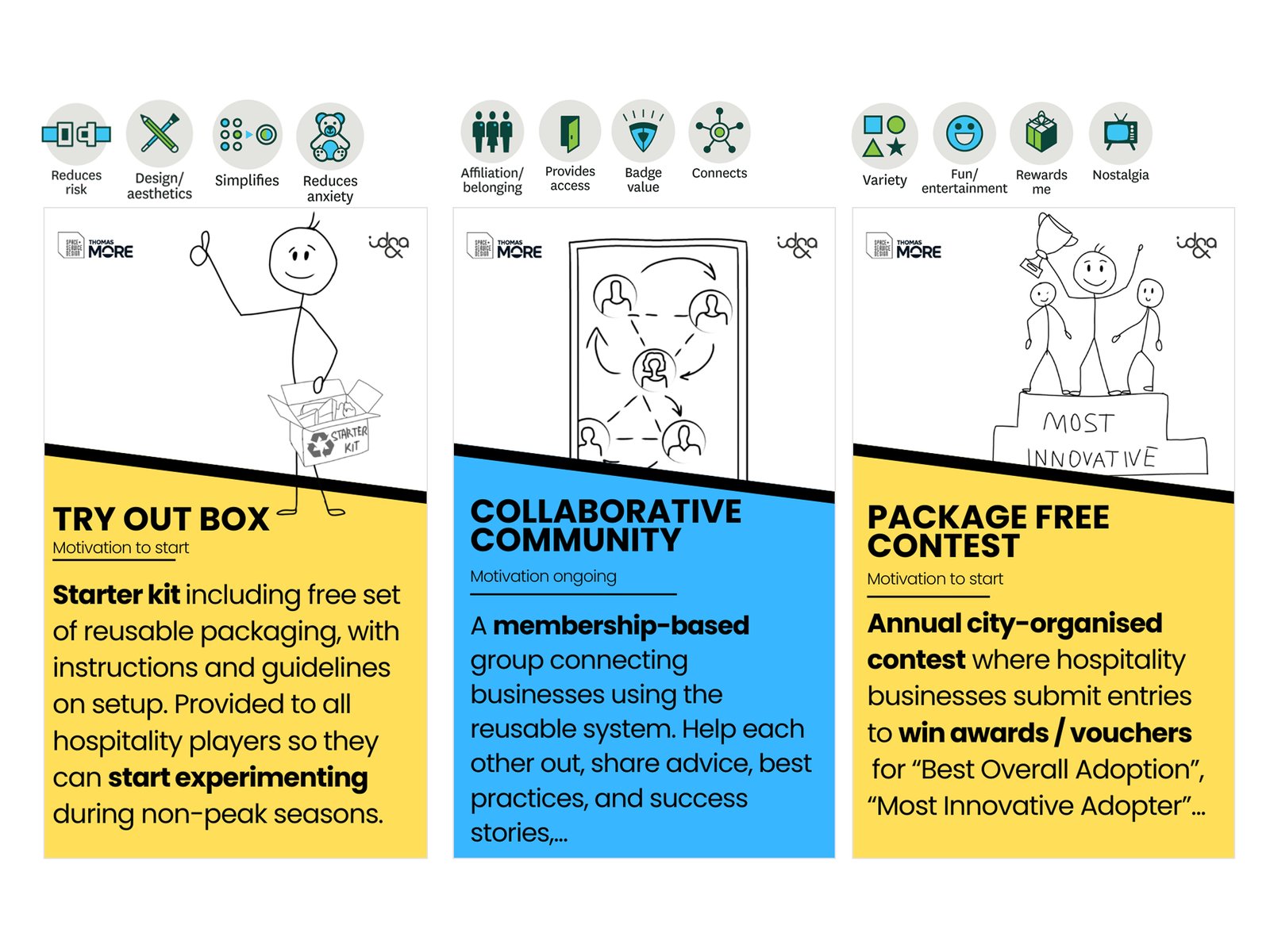
For each stage (increasing awareness, simplifying onboarding, motivating ongoing use), we relied on the AIDAR (Attention, Interest, Desire, Action, Retention) and the Value Pyramid model to help us brainstorm initial service concepts, which we then translated into cards.
Bringing newer insights to the surface
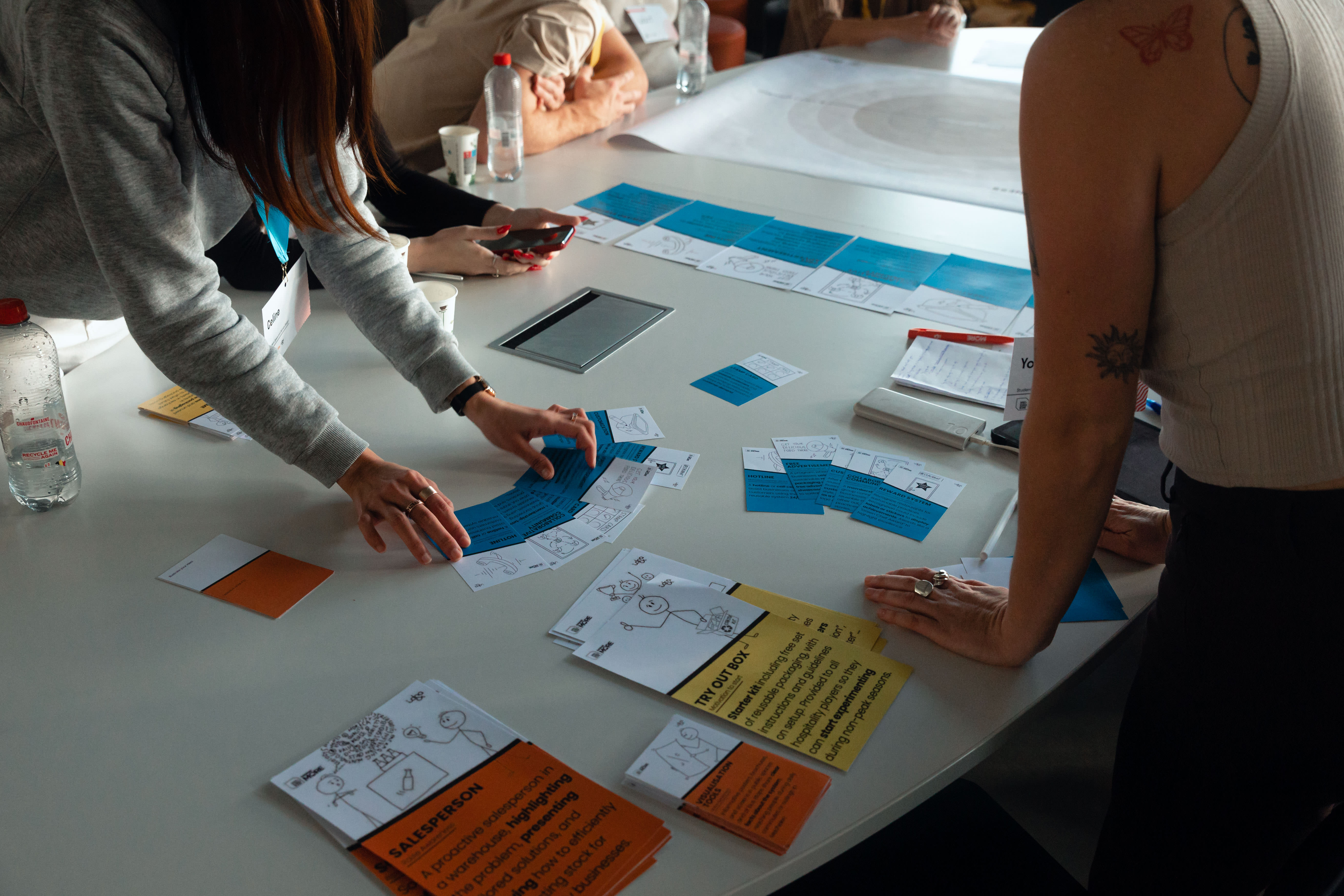
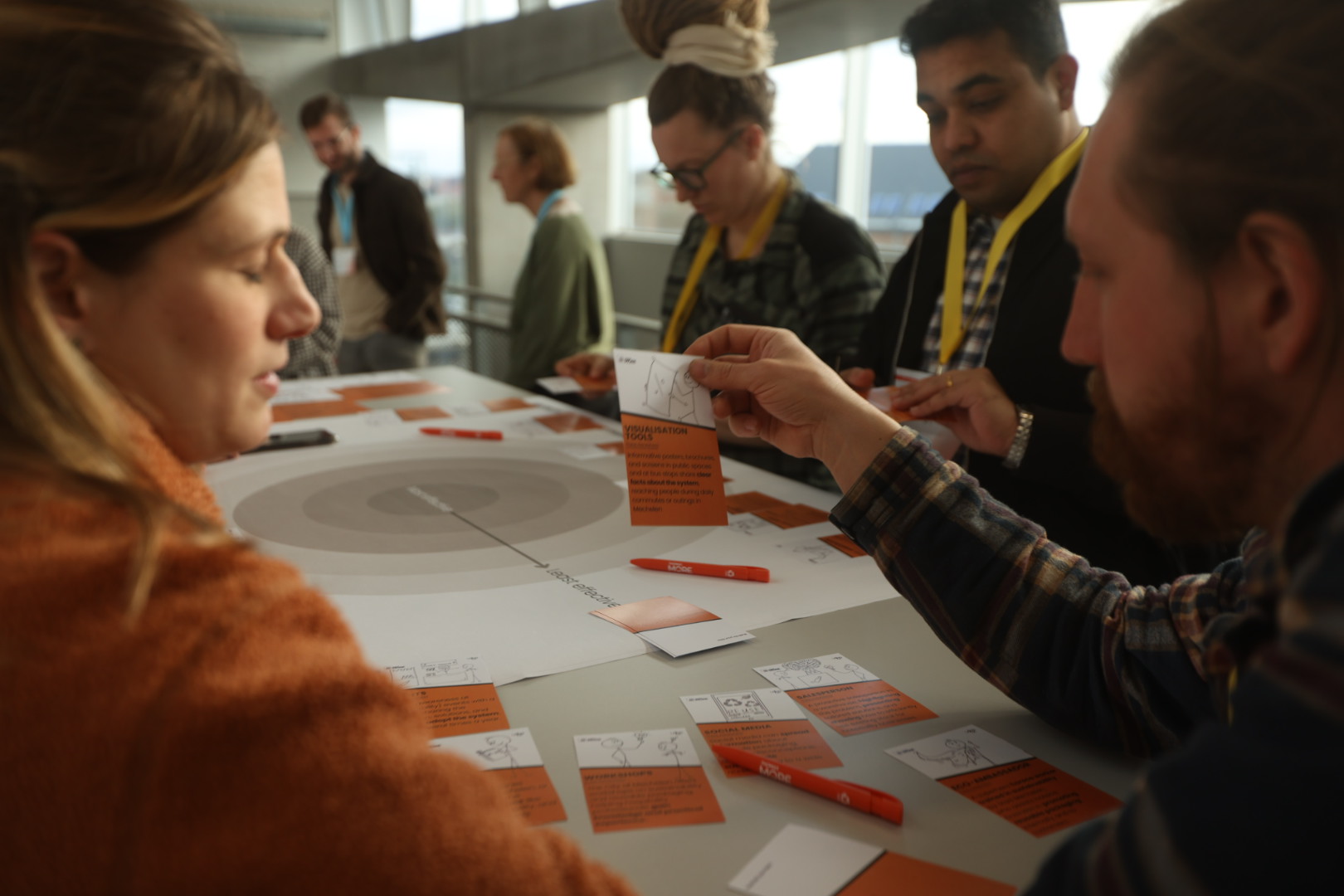
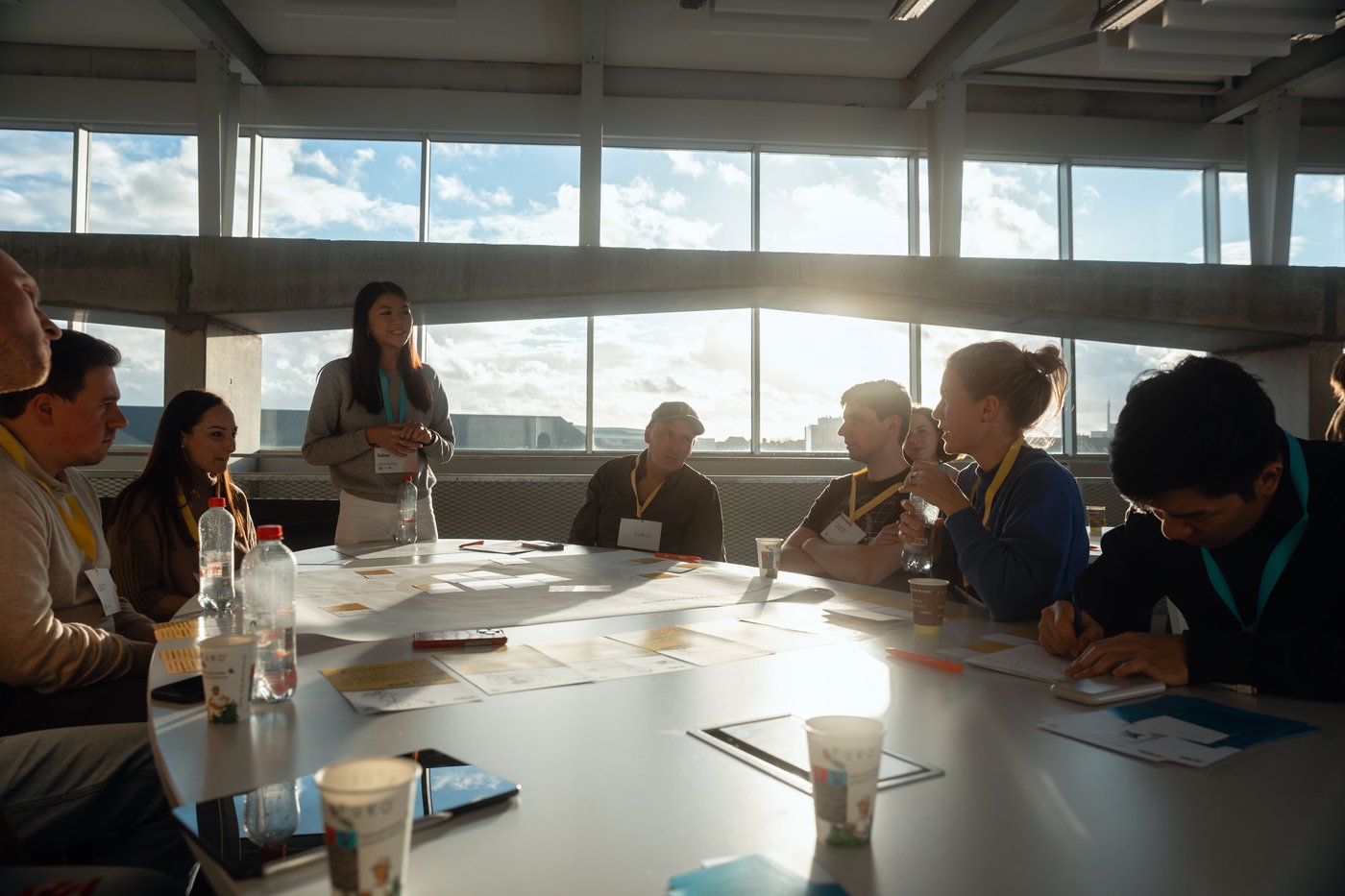
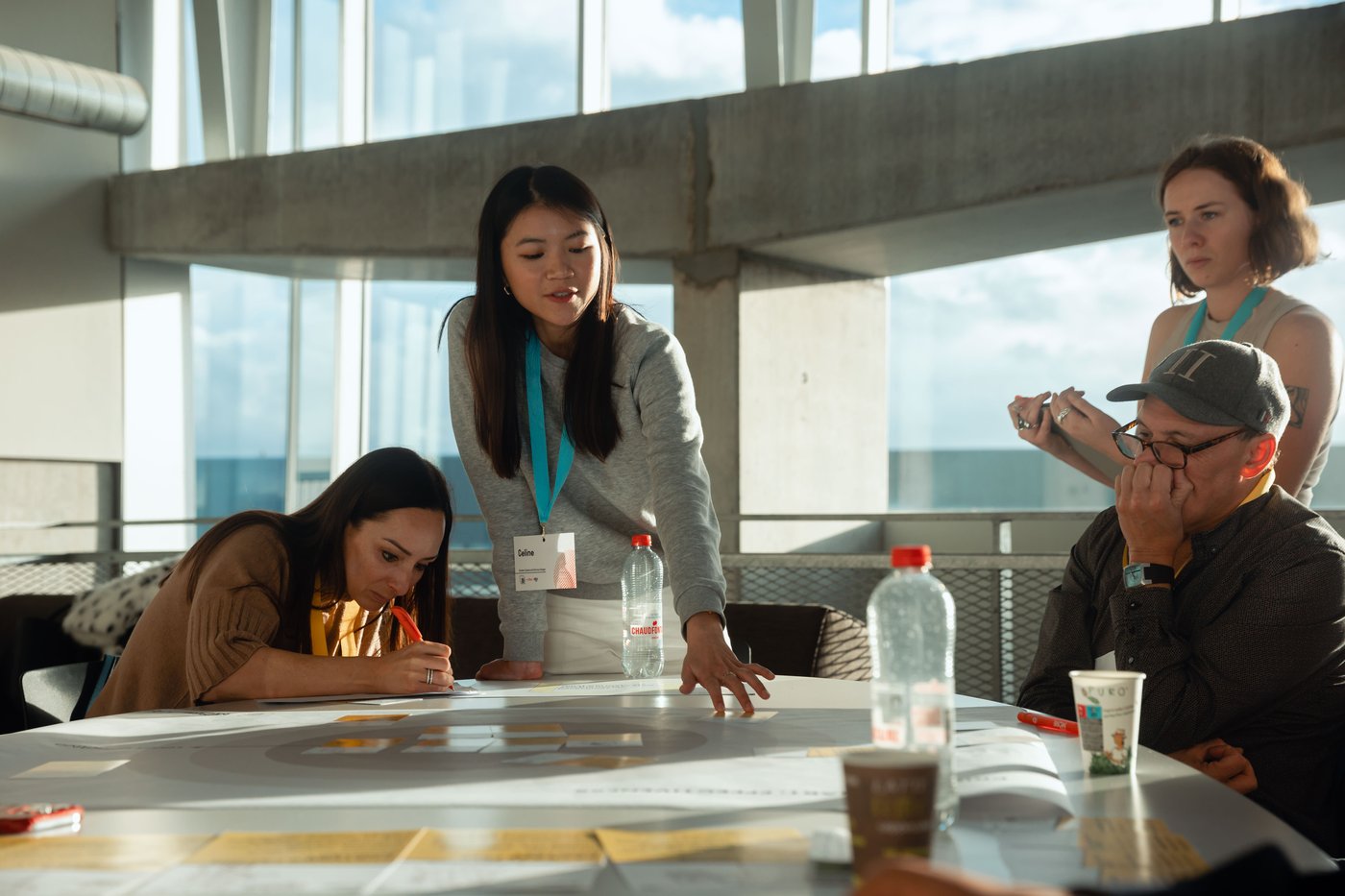
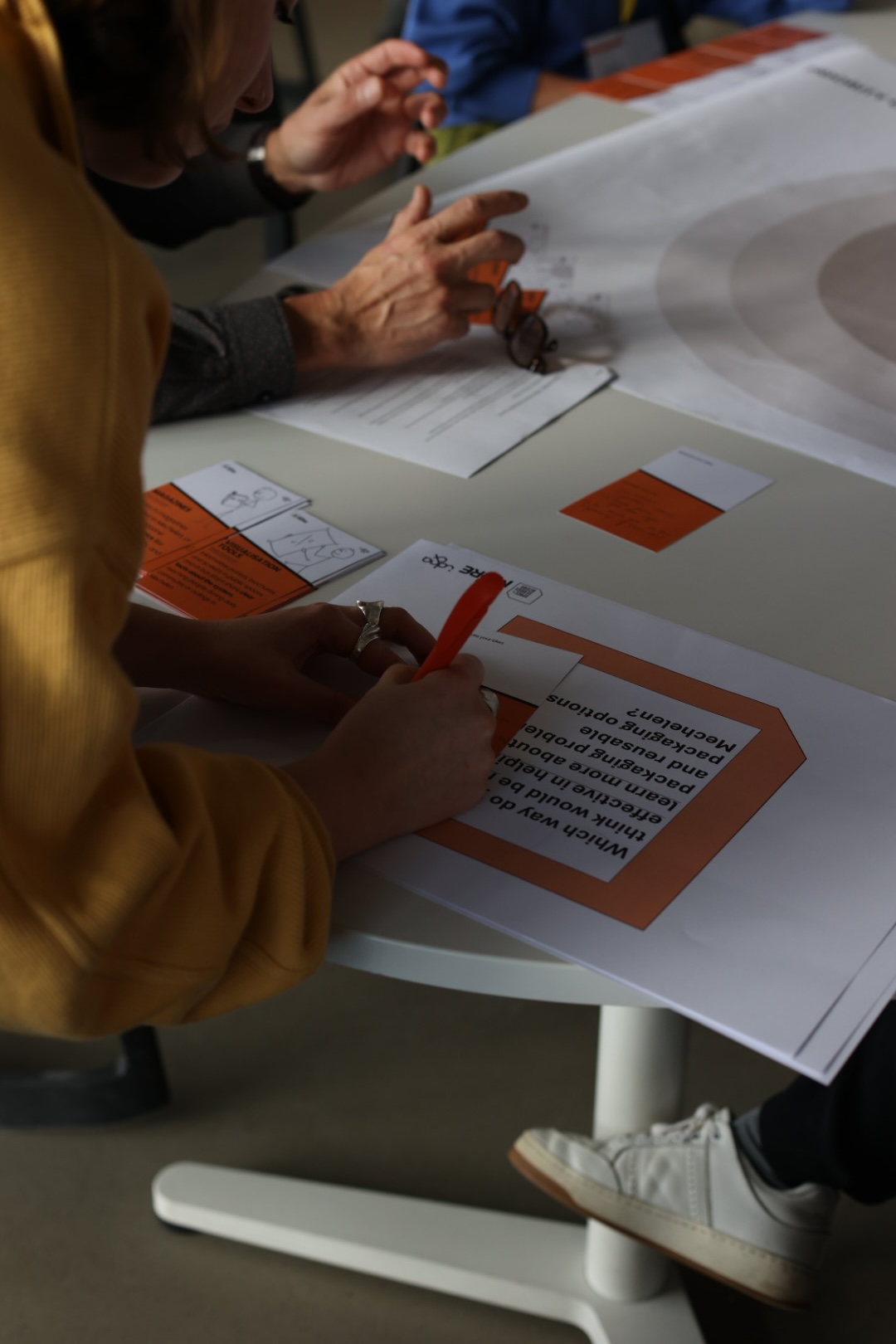
We conducted a co-creation session with city representatives and local hospitality businesses to evaluate our initial concepts, spark deeper discussions, and prioritise ideas based on feasibility and impact.
A key insight was that perceived isolation hindered adoption. Businesses felt "alone" in their decision, causing hesitation that made it emotionally and practically harder to normalise reusable packaging for consumers. This underscored the need to design our service proposition to achieve critical mass, ensuring enough participants create momentum and normalise the practice, even if not everyone joins.
Providing accessible information, simplifying onboarding and fostering community
We developed a City of Mechelen service system designed to make adoption seamless and rewarding for hospitality businesses. Key components include:
-
B2B event and workshops
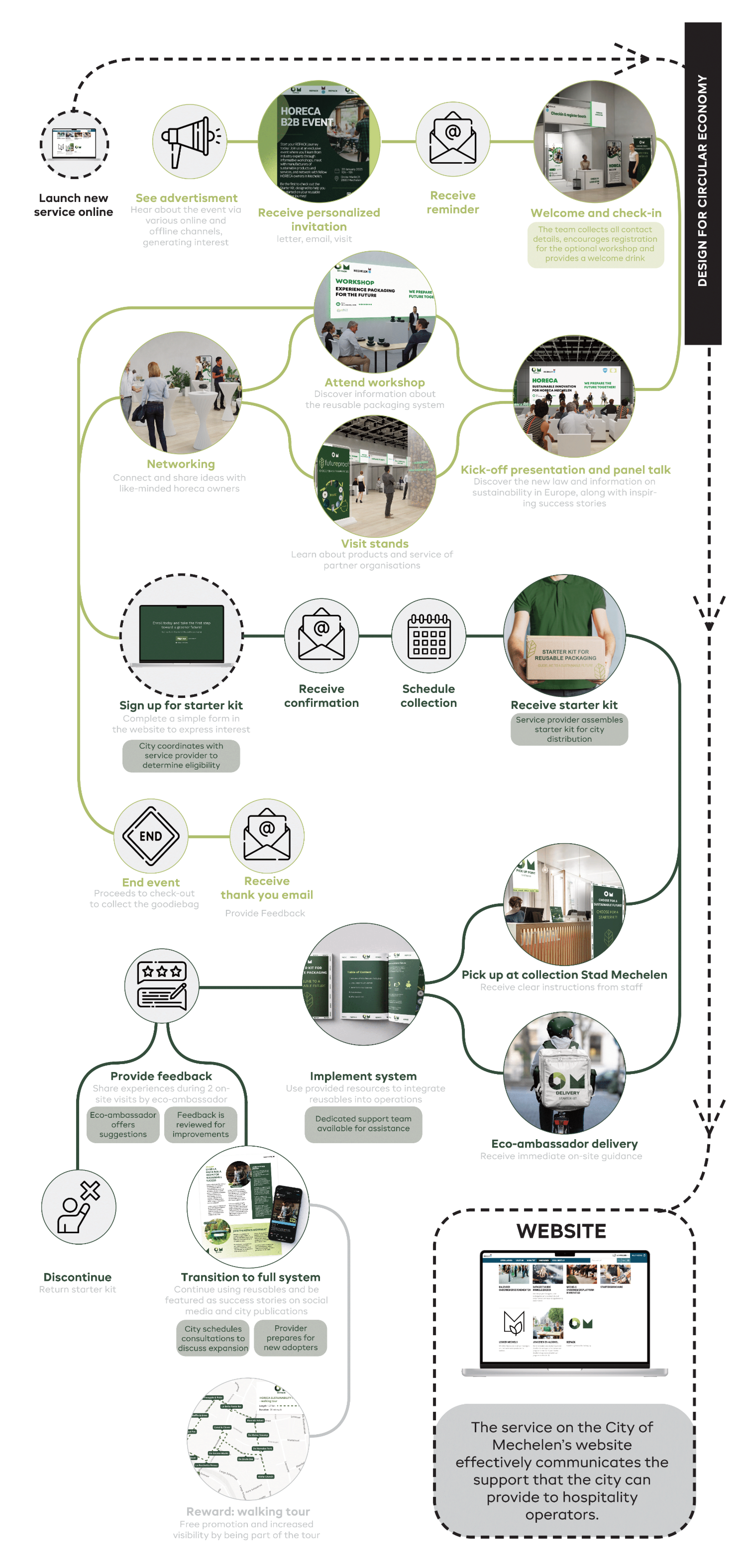
Insights showed that information only resonates when delivered through direct, face-to-face channels. Businesses looked up to others as role models and wanted to connect with like-minded peers, making facilitated knowledge sharing a natural direction to build confidence. Knowing that many businesses tend to "wait until it's the law" before acting, these B2B events and workshops also aimed to generate urgency around the European Green Deal 2030, which mandates reusable packaging. -
Starter kit trial
Beyond providing material guidance and a dedicated setup, we introduced a cohort-based trial period to facilitate structured feedback visits and encourage simultaneous adoption to reach critical mass. This also reduces the perceived risk of starting, offering businesses a "risk-free" way to test the waters. -
Eco-ambassador team
We proposed a dedicated team assembled by the city, outlining potential roles and partnerships to streamline service delivery. This team ensures tailored support for businesses at different maturity levels, backed by experts with the right skills and knowledge.
Celebrating commitment & intention, not quantitative results
We proposed a phased approach to structure the pilot, aligned with an upcoming timeline designed to ensure a gradual ramp-up ahead of the typically busy summer months, giving businesses adequate time and support before peak season.
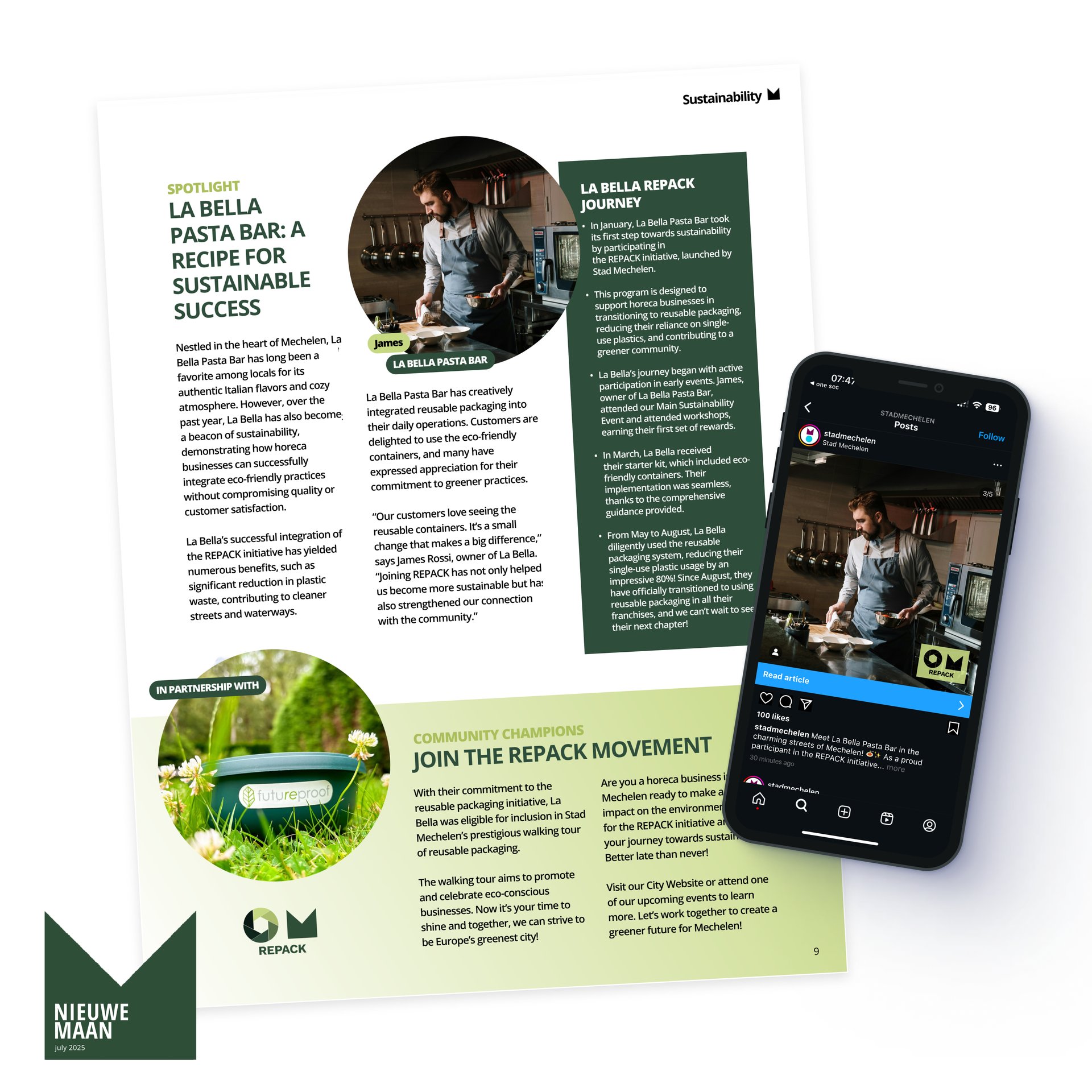
We defined key milestones that businesses can achieve, qualifying them to be featured on a walking tour for free promotion and increased visibility, an idea endorsed by stakeholders during co-creation, with existing vendor relationships or internal capacity identified as viable delivery routes. This incentivised active participation across all phases, recognising not just those who continue post-trial, but also businesses' broader contributions to sustainability goals.
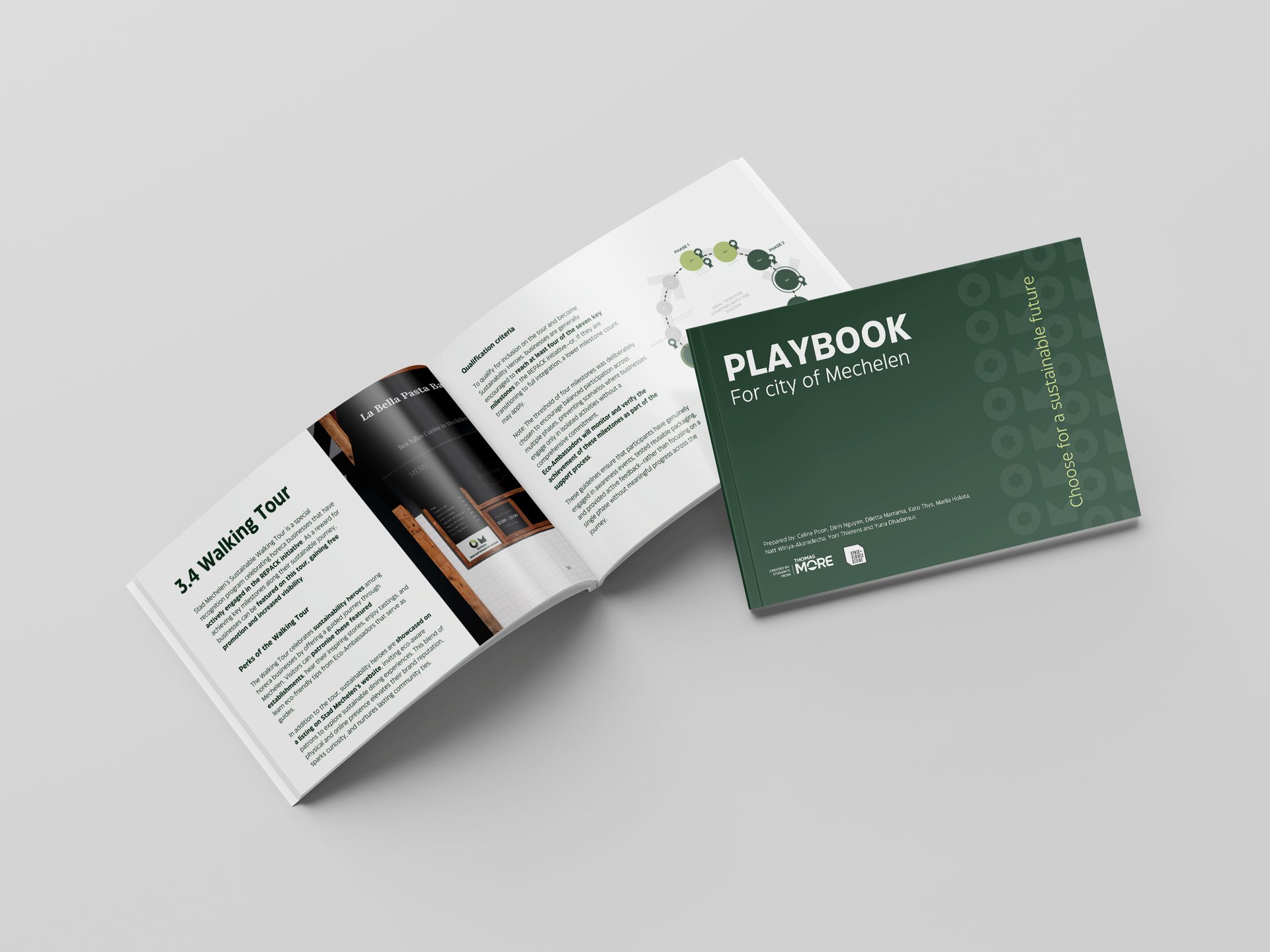
To support the City of Mechelen in implementation, we put together a playbook including service blueprints, implementation specifications, and suggestions of potential partnership avenues.
On managing diverse voices and leading with care
For this project, we worked in a relatively large team, often breaking into sub-teams to design specific interventions. Creating structures to ensure feedback was both given and received, and maintaining open communication, were crucial for developing a cohesive service proposition. This was a key learning point for me: not only to remain open to diverse perspectives but also to manage their volume, distil them efficiently, and ensure alignment across the team.
Beyond my growth as a team member, I'm grateful for the opportunity to lead co-creation sessions. Facilitating conversations among professionals from different backgrounds taught me to navigate power dynamics thoughtfully. I acknowledge that my role as a designer-facilitator is a privilege, and I always aim to guide discussions while remaining impartial and judgement-free, to ensure genuine conversations can emerge.